Roughly a tenth of people taste soap when they eat cilantro, and they are not being difficult. The reaction is real, measurable, and partly genetic.
The science
Cilantro contains aldehyde compounds also found in soaps and some insects. Variants near a cluster of olfactory receptor genes, notably OR6A2, are associated with heightened sensitivity to those aldehydes. Studies have found aversion rates varying widely by ancestry, from a few percent in some populations to over 20 percent in others.
Why taquerias use it anyway
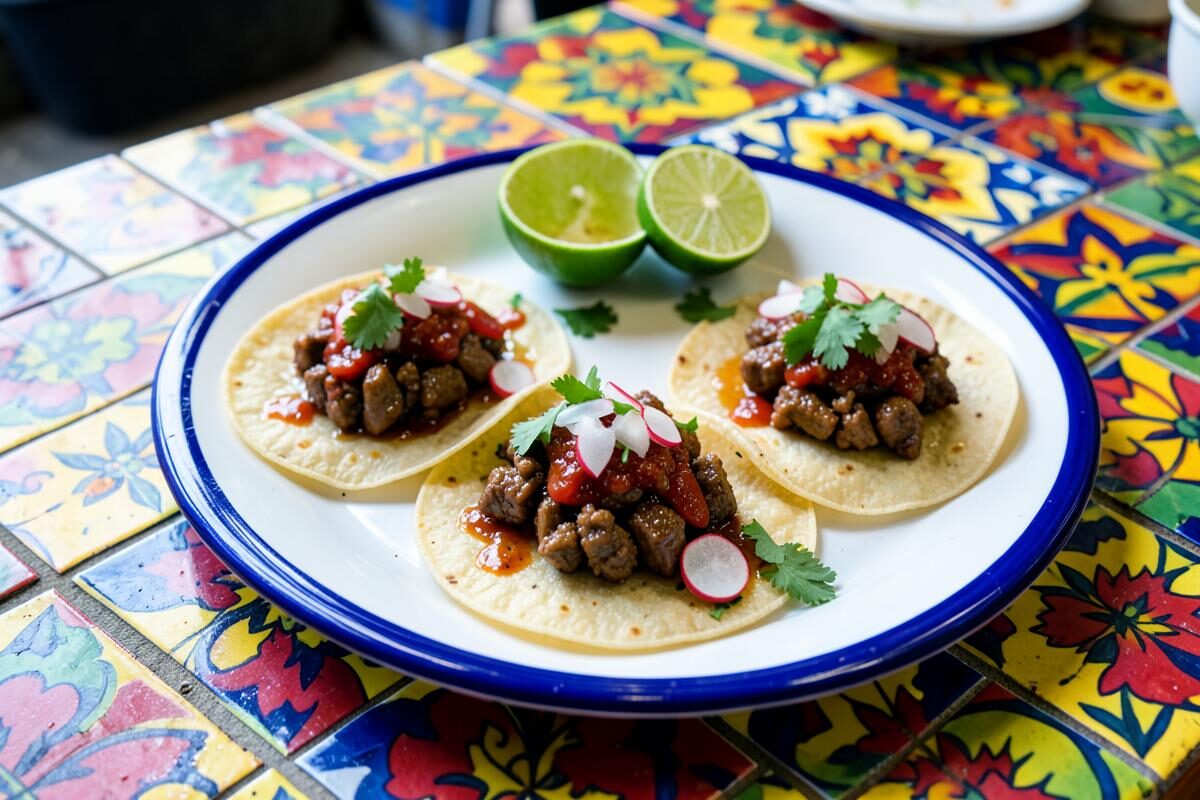
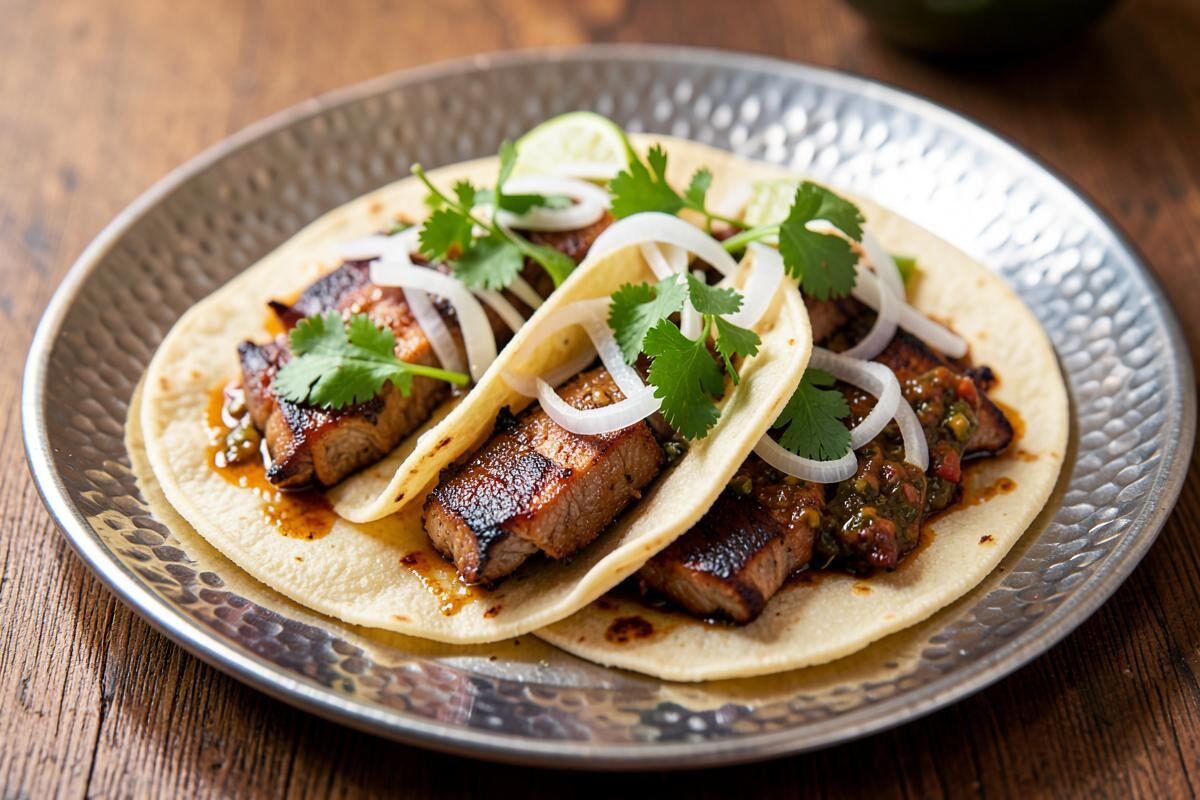
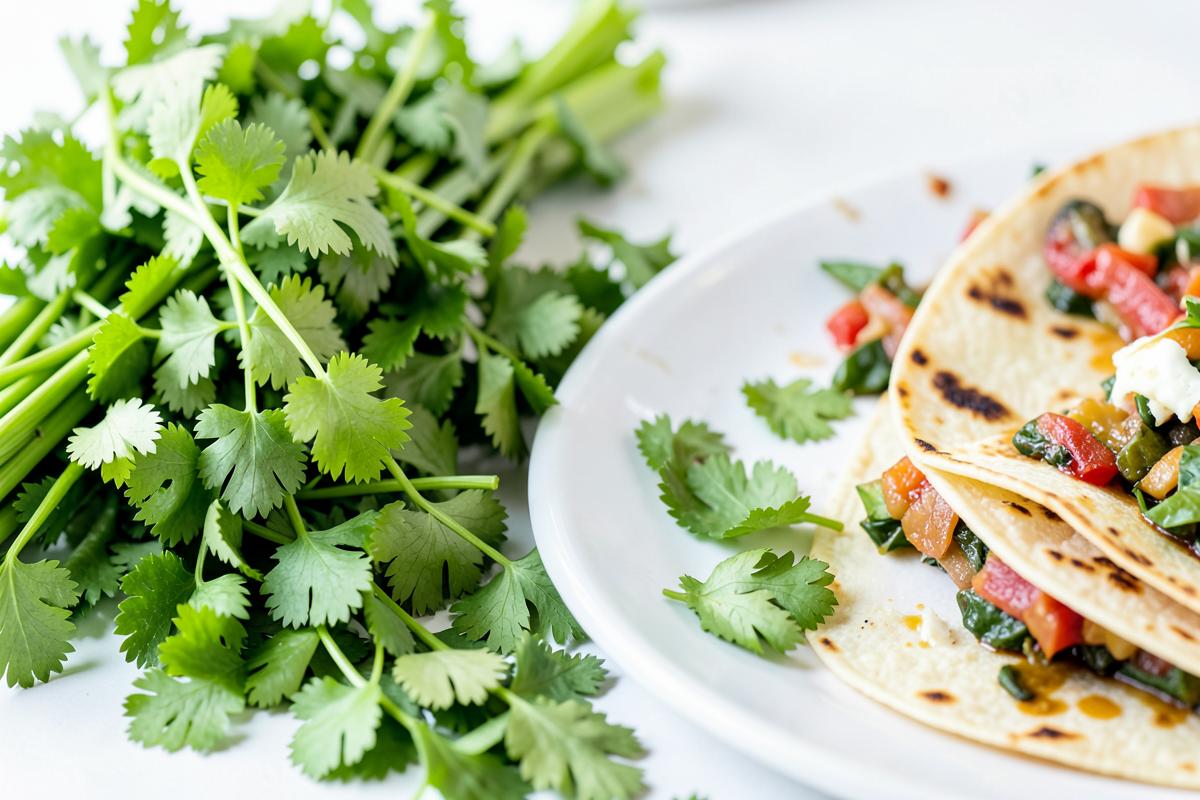
Cilantro is not garnish. Alongside raw white onion, it provides the fresh, sharp top note that balances fatty braised and grilled meats. Remove it and a suadero or carnitas taco tastes noticeably heavier and flatter.
If you are a hater, try this first
- Chopped fine and mixed with onion, the effect is muted considerably.
- Cooked cilantro, as in a simmered salsa verde, loses most of the offending aldehydes.
- Crushing or blending it, counterintuitively, releases more of the soapy compounds. Chop, do not blend.
- Repeated exposure genuinely shifts preference for some people over months.
Substitutions that work
Flat-leaf parsley for freshness, chopped green onion for bite, fresh oregano for a Yucatan feel, or simply more raw white onion and a heavier squeeze of lime. Papalo, used in Puebla, is another traditional option with a bolder flavor.
Should it be on every taco?
No. Fish tacos with cabbage often do not need it, and dessert or breakfast tacos rarely do. But on grilled and braised meat tacos, it is doing structural work, and taking it off is a real subtraction.
Ordering advice
Say sin cilantro when you order. No taquero will be offended; they hear it several times a day.