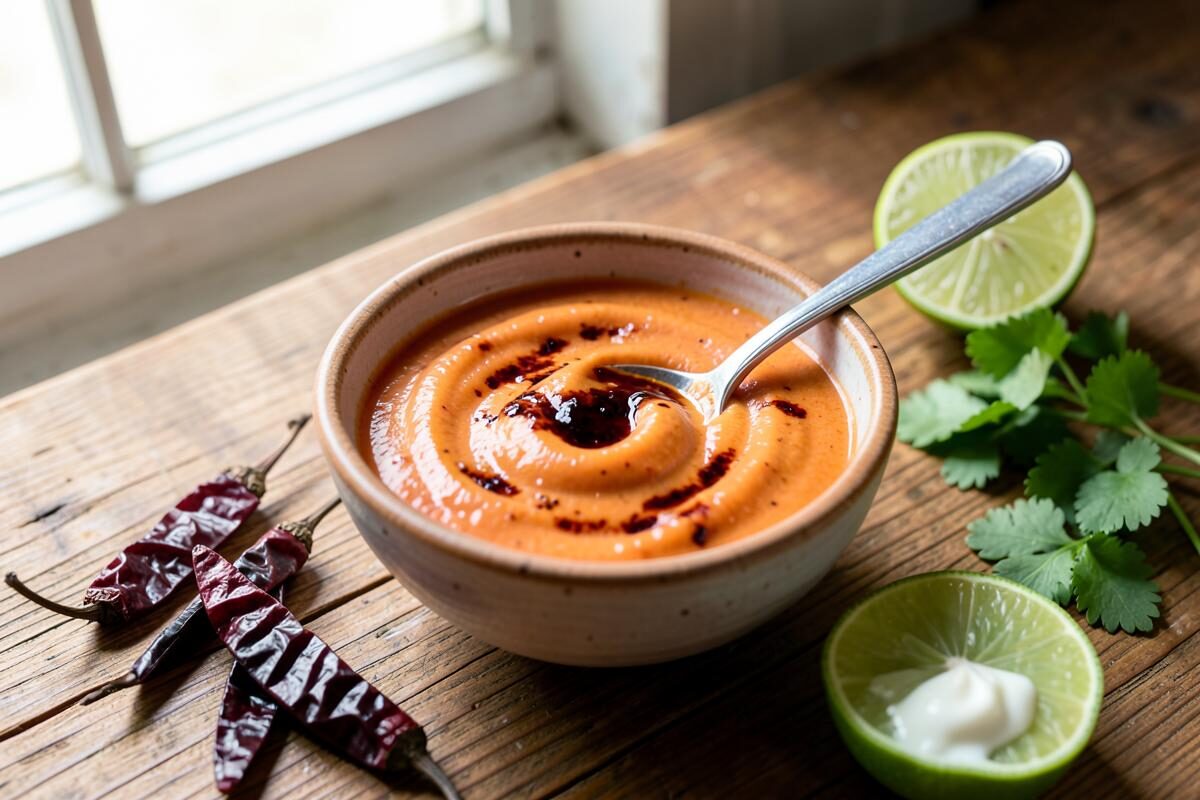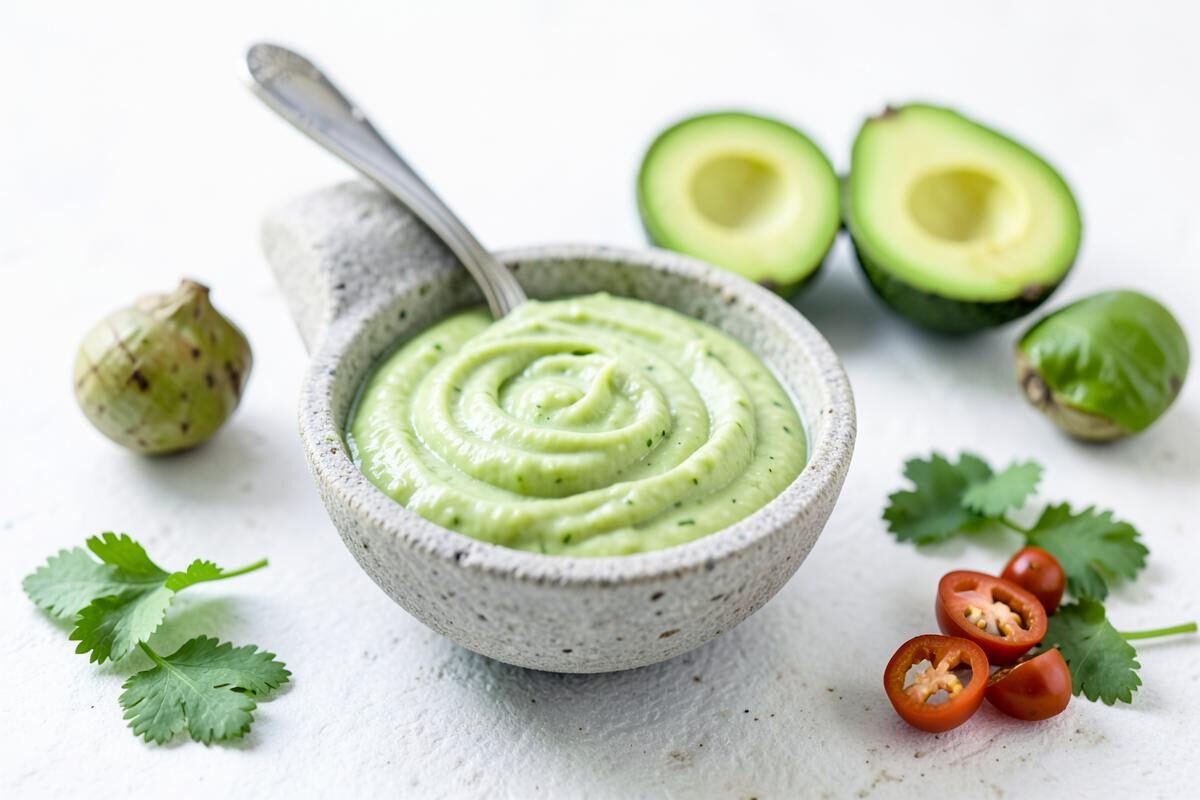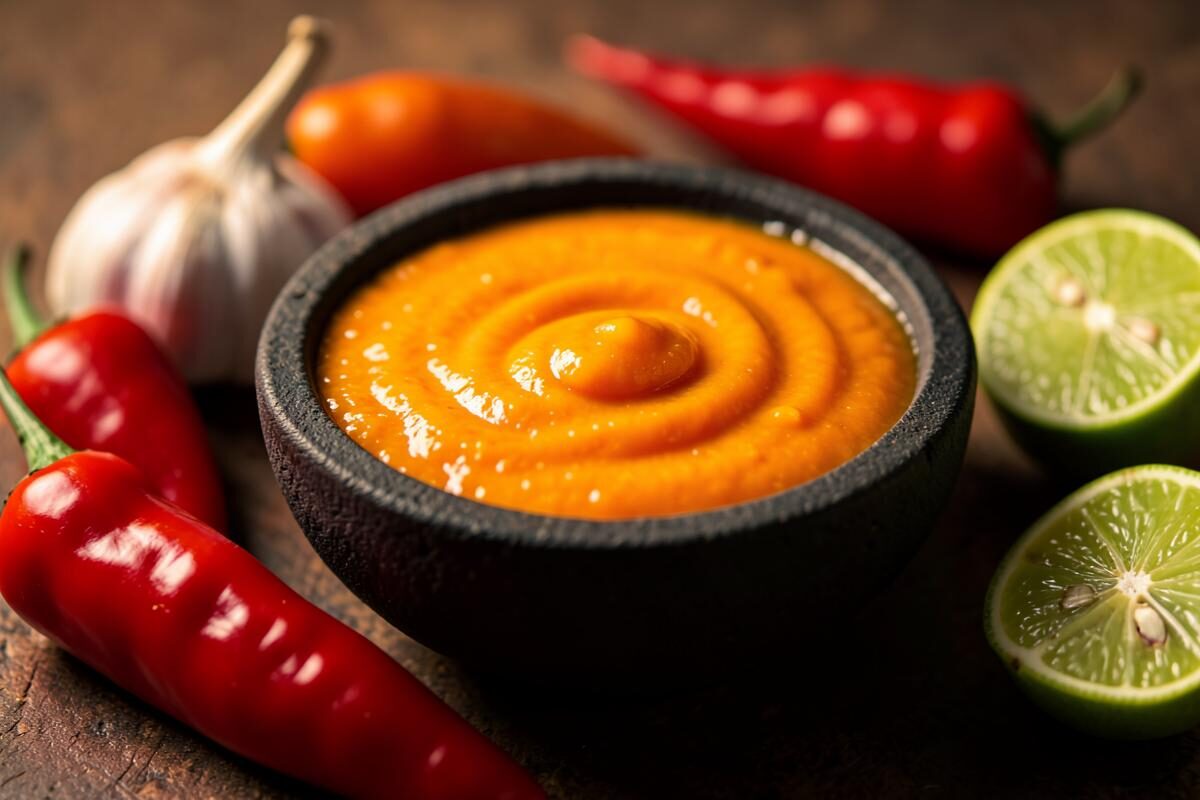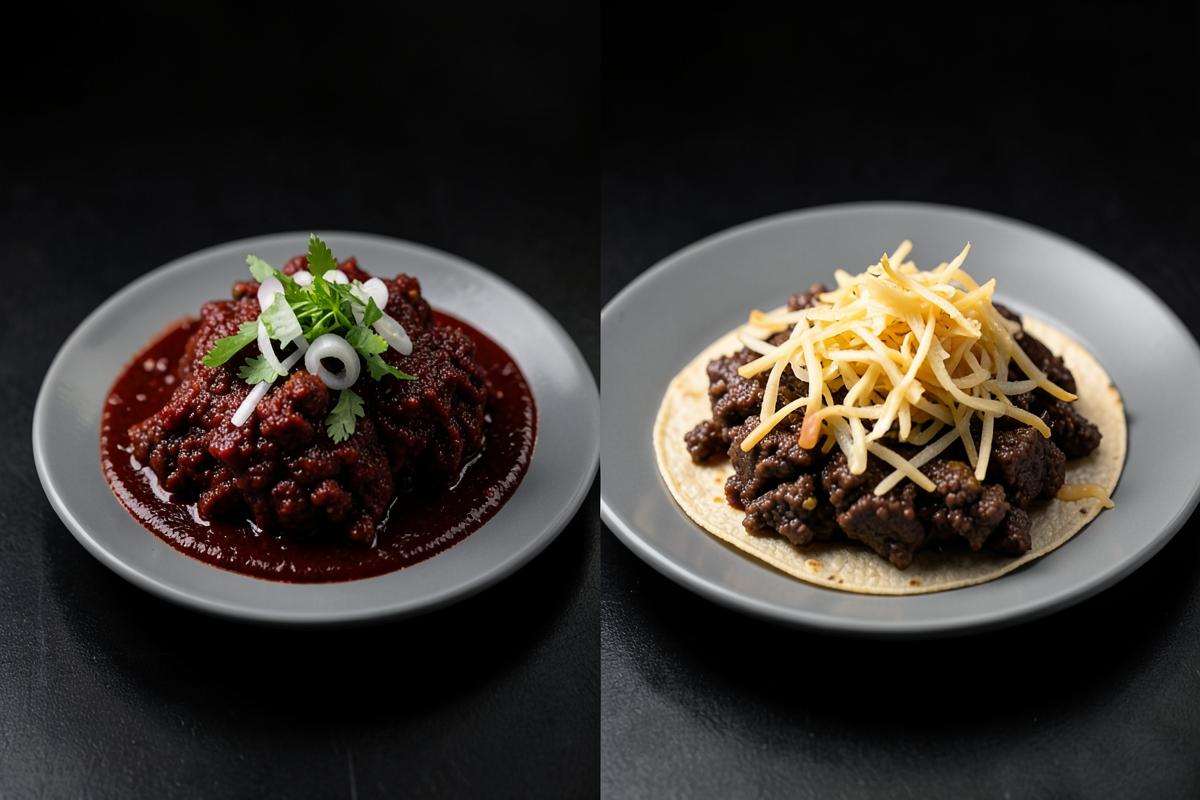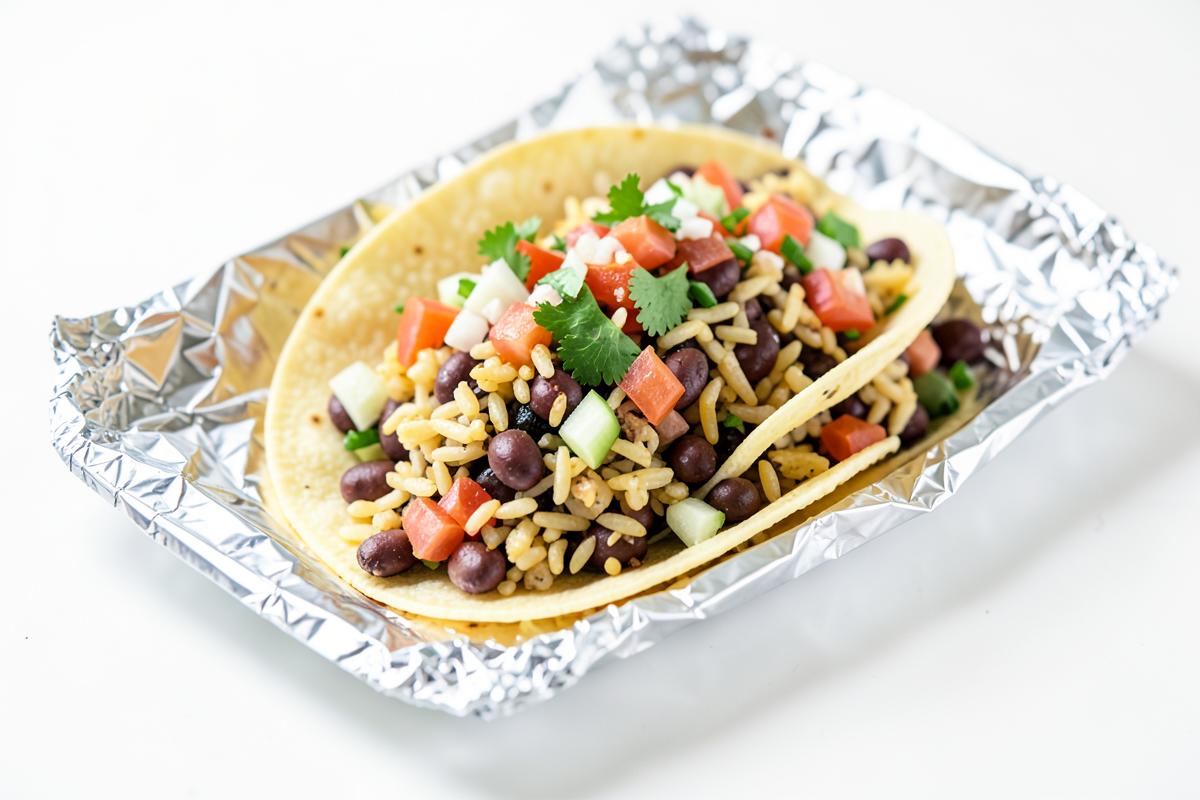
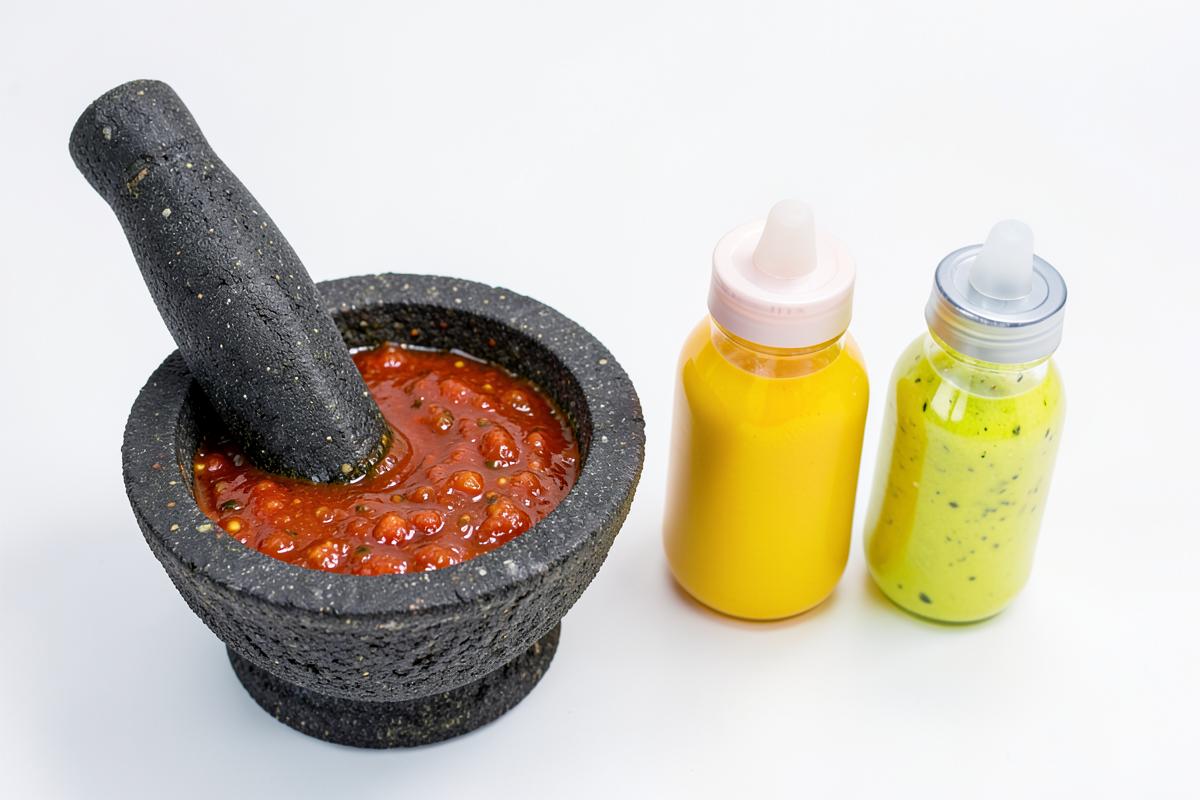
Walk into a modern taqueria and you may find sriracha crema next to salsa roja. Purists groan. Sometimes they are right, and sometimes they are missing a good sauce.
What traditional salsas do
Mexican salsas are built on chiles, acid, and salt, with fat used sparingly. Their job is to cut through fat in the meat and sharpen the whole bite. Salsa verde brings tomatillo tartness, salsa roja brings toasted chile depth, salsa macha brings oil, nuts, and crunch, and pico brings freshness and texture.
What fusion sauces do
Most trendy sauces are emulsions: aioli, crema, or mayonnaise bases carrying a flavor. That makes them rich and cooling rather than sharp. They coat the palate instead of clearing it.
The real problem
It is not authenticity, it is balance. A creamy sauce on a fatty meat like carnitas or al pastor makes an already heavy taco heavier. That is why traditional pairings almost always answer fat with acid.
When fusion sauces earn their place
- On fried fish or shrimp, where crema is already traditional in Baja.
- On very spicy fillings, where a dairy base tames heat.
- On vegetable tacos, which often need added richness rather than cutting.
A practical rule
Fatty filling, acidic salsa. Lean or fried filling, richer sauce is fair game. And whichever direction you go, add lime and raw onion; they do work no sauce can replace.
The verdict
Traditional salsas are more useful more often, and they are what a taco is built around. Fusion sauces are a legitimate tool used carelessly. Learn three real salsas first, then experiment freely.
Start with our salsa verde, salsa roja, and salsa macha recipes.