Taquería flavor does not come from a spice packet. It comes from dried chiles, acid, salt and patience. Here is how the seasoning actually works and how to reproduce it at home.
Start with dried chiles, not chili powder
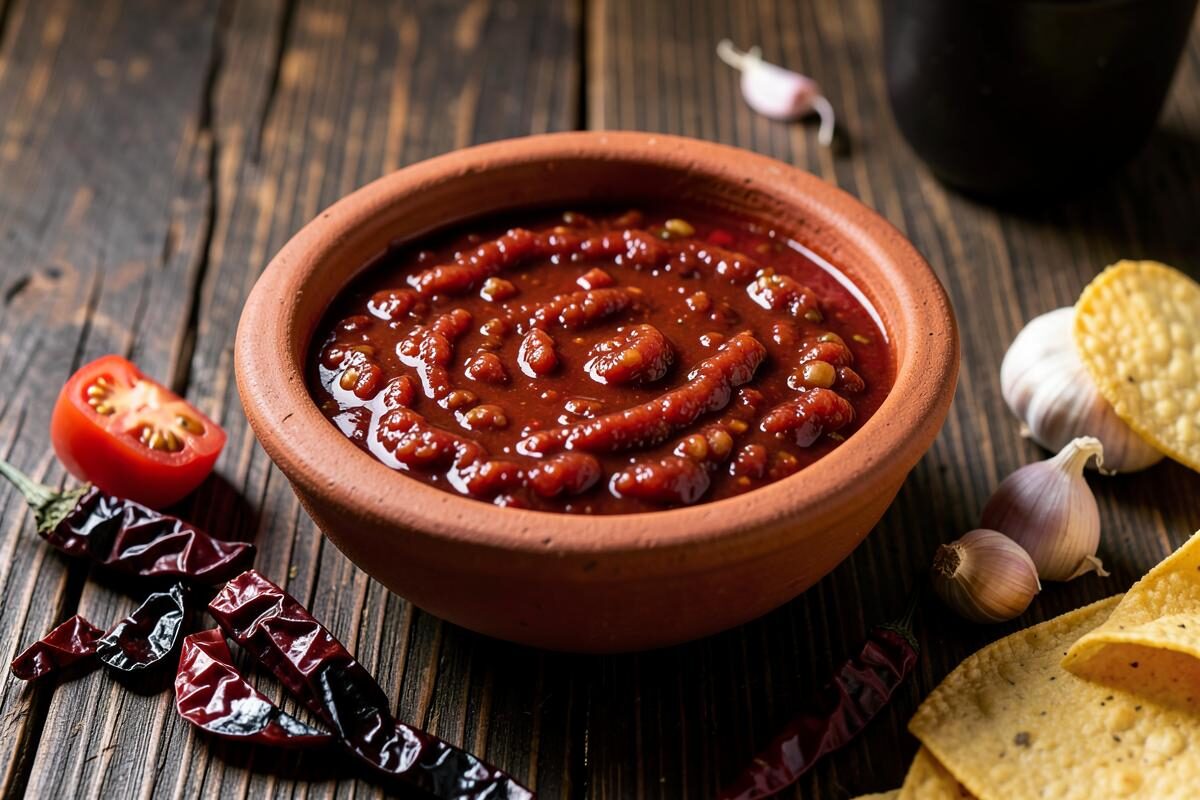
Toast whole dried chiles in a dry pan for thirty seconds a side until fragrant, then soak in hot water for twenty minutes and blend. Each chile does a different job:
- Guajillo: mild, fruity, bright red color. The base of most adobos.
- Ancho: sweet, raisiny, adds body.
- Chile de árbol: pure heat, used sparingly.
- Chipotle: smoke and moderate heat.
- Pasilla: earthy and dark, good with beef.
The adobo formula
A reliable starting ratio for two pounds of meat: four guajillos, two anchos, one or two chiles de árbol, four garlic cloves, half a white onion, two tablespoons vinegar, the juice of one orange, one teaspoon oregano, half a teaspoon cumin, a pinch of clove, and salt. Blend with a little soaking liquid until pourable.
Acid is not optional
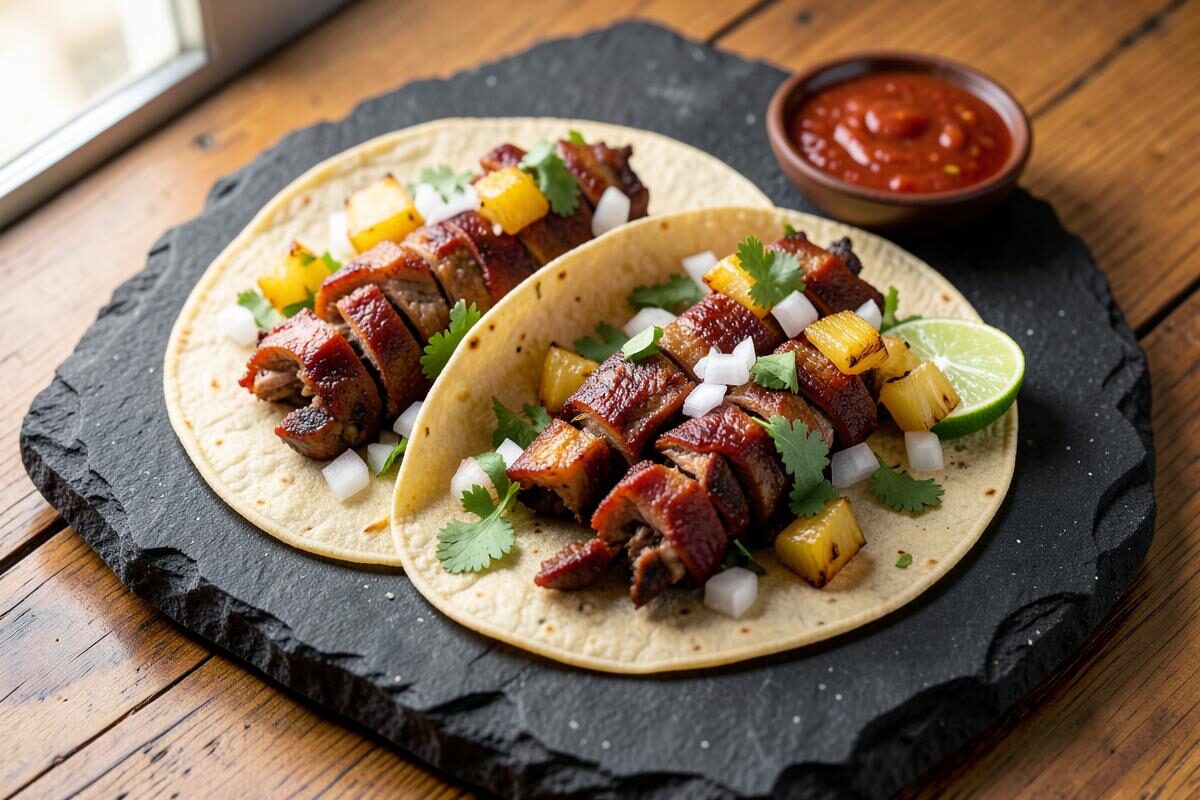
Vinegar, citrus or both. Acid tenderizes, balances chile sweetness, and keeps rich meat from feeling heavy. Pineapple juice does the same job on pastor.
Salt early, salt properly
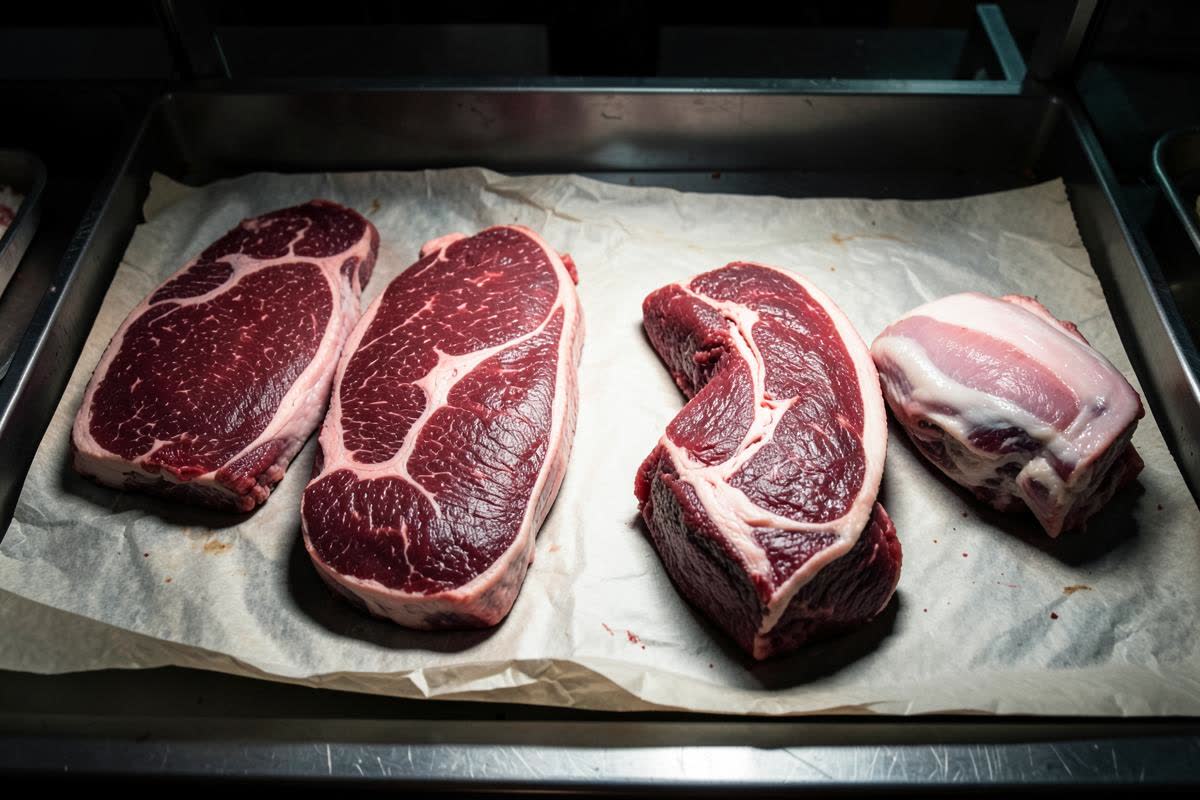
Roughly one teaspoon of kosher salt per pound of meat, applied at least forty minutes ahead and ideally overnight. Salt needs time to move past the surface.
Marinating times
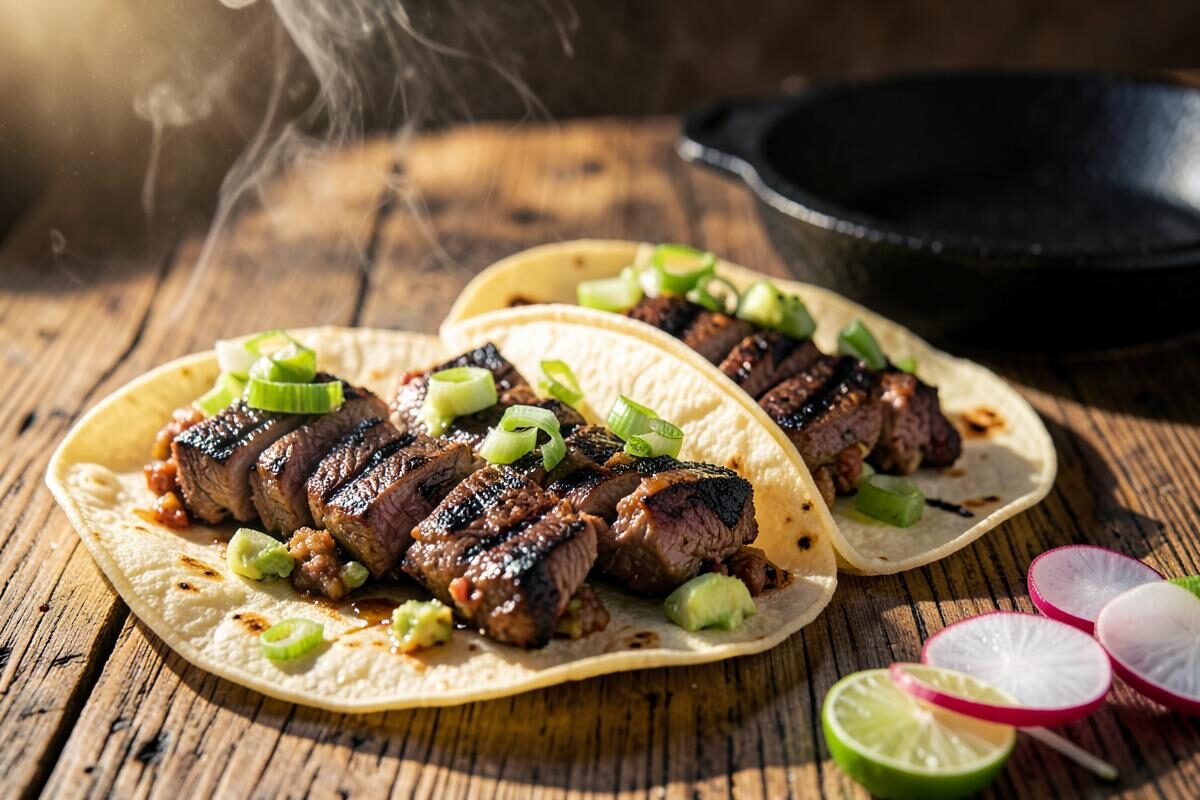
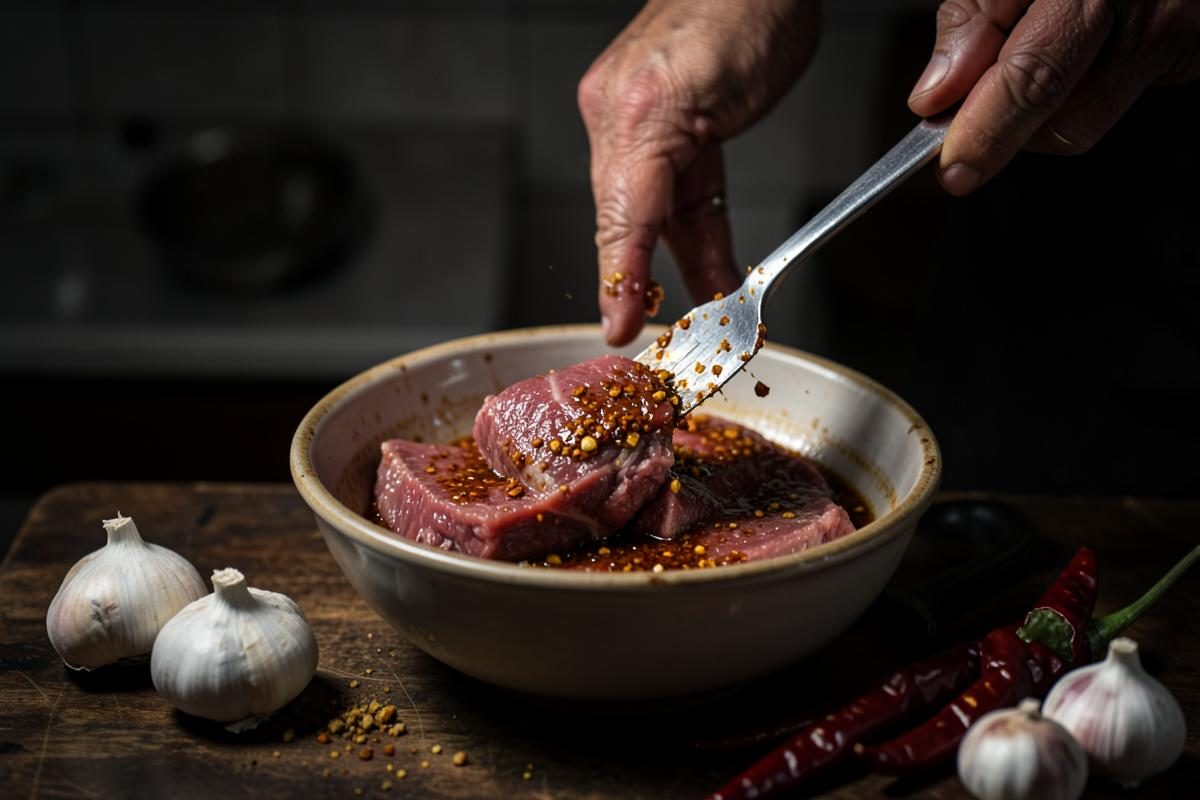
- Skirt or flank steak: 2 to 8 hours. Longer turns it mushy.
- Pork shoulder for pastor or adobada: 8 to 24 hours.
- Chicken thighs: 4 to 12 hours.
- Shrimp and fish: 15 to 30 minutes only.
Achiote for color and earthiness
Achiote paste gives cochinita pibil and much pastor their color and a subtle peppery note. A tablespoon per pound is plenty.
Finish with fat and fire
Cook hot, let the marinade caramelize, and if you have rendered fat from the same animal, cook in it. Pork fat with pork, beef fat with beef, is the taquero shortcut to flavor no seasoning blend can copy.