Tex-Mex is often dismissed as a watered-down imitation. That framing gets the history backward. Tex-Mex is a regional cuisine created by Tejanos, Mexican Texans whose families predate the state itself.
Before the border moved
Tejano communities were cooking in what is now Texas long before 1836. Their food used local beef, wheat available from northern trade, and cattle-ranch traditions that differed from central Mexican cooking from the start. When the border shifted, the cuisine did not.
The chili queens of San Antonio
In the late nineteenth century, women known as chili queens set up open-air stalls in San Antonio plazas, selling chili con carne, tamales, and enchiladas by lantern light. They fed soldiers, travelers, and locals for decades and were the city's first great food attraction, until health ordinances shut them down in the 1930s and 1940s.
What makes it Tex-Mex
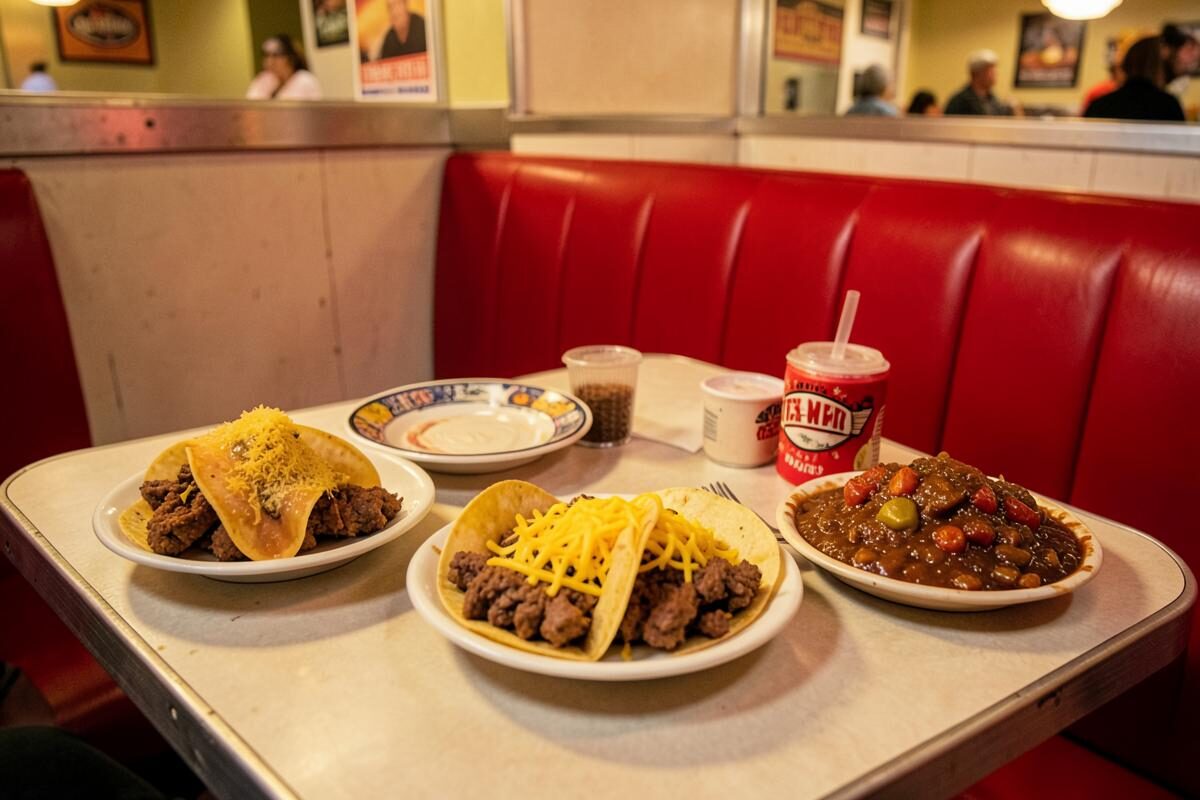
- Yellow cheese, from readily available American cheddar rather than Mexican queso.
- Cumin, used far more heavily than in most Mexican regional cooking.
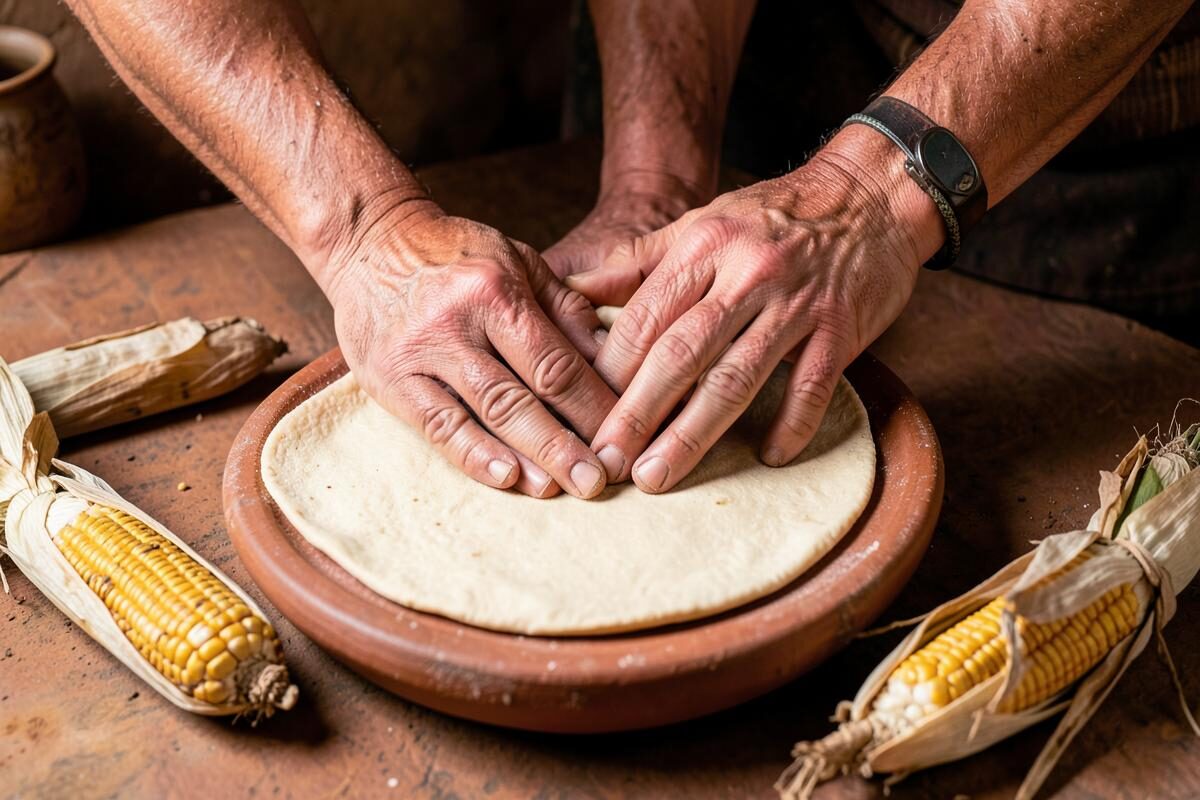
- Wheat flour tortillas, a northern Mexico and Texas staple.
- Chili con carne and the combination plate, both Texan inventions.
- Crispy fried taco shells, popularized commercially in the mid-twentieth century.
The naming problem
The term Tex-Mex entered wide use in the 1970s, often pejoratively, as writers drew a line between authentic and inauthentic. Food historians have spent the decades since arguing that the line was never real; Tex-Mex simply had a different set of ingredients available.
Eat it on its own terms
A great cheese enchilada plate is not a failed attempt at something else. It is a hundred-year-old Texan dish, and it deserves the same respect as a taco de canasta.
Our Tex-Mex versus traditional showdown compares the two side by side.