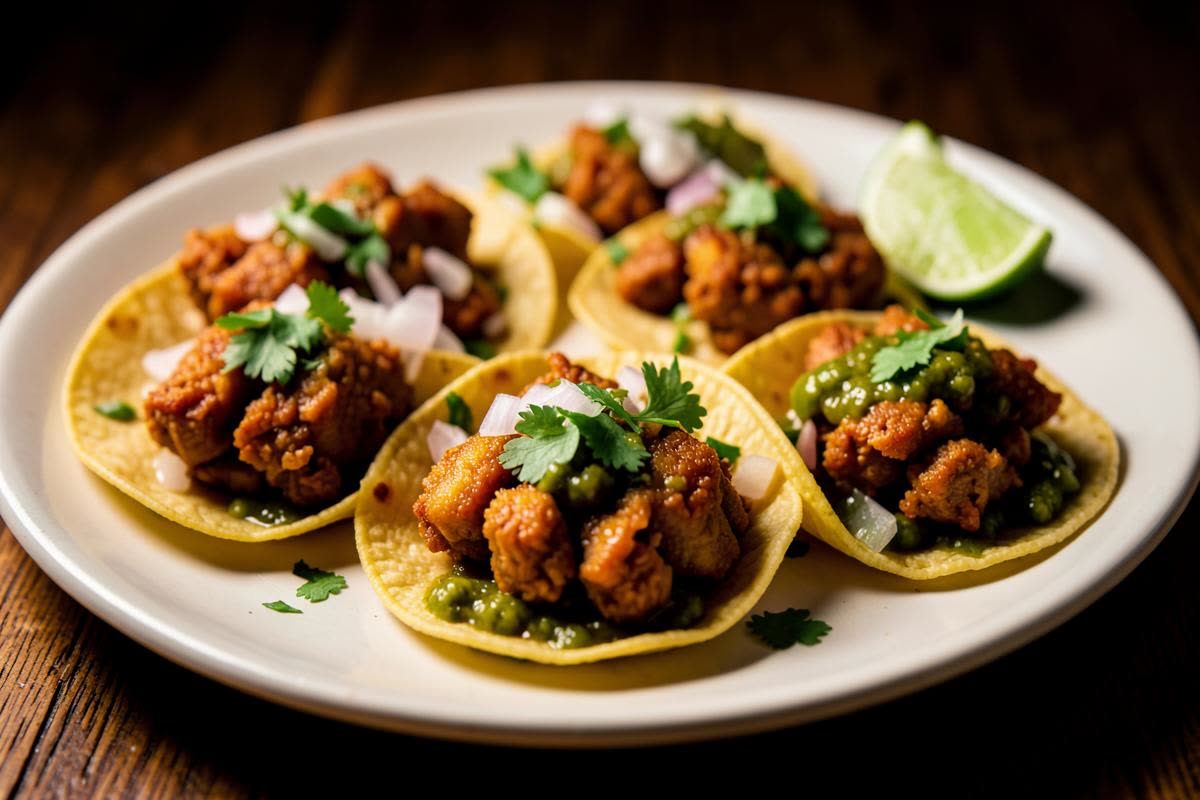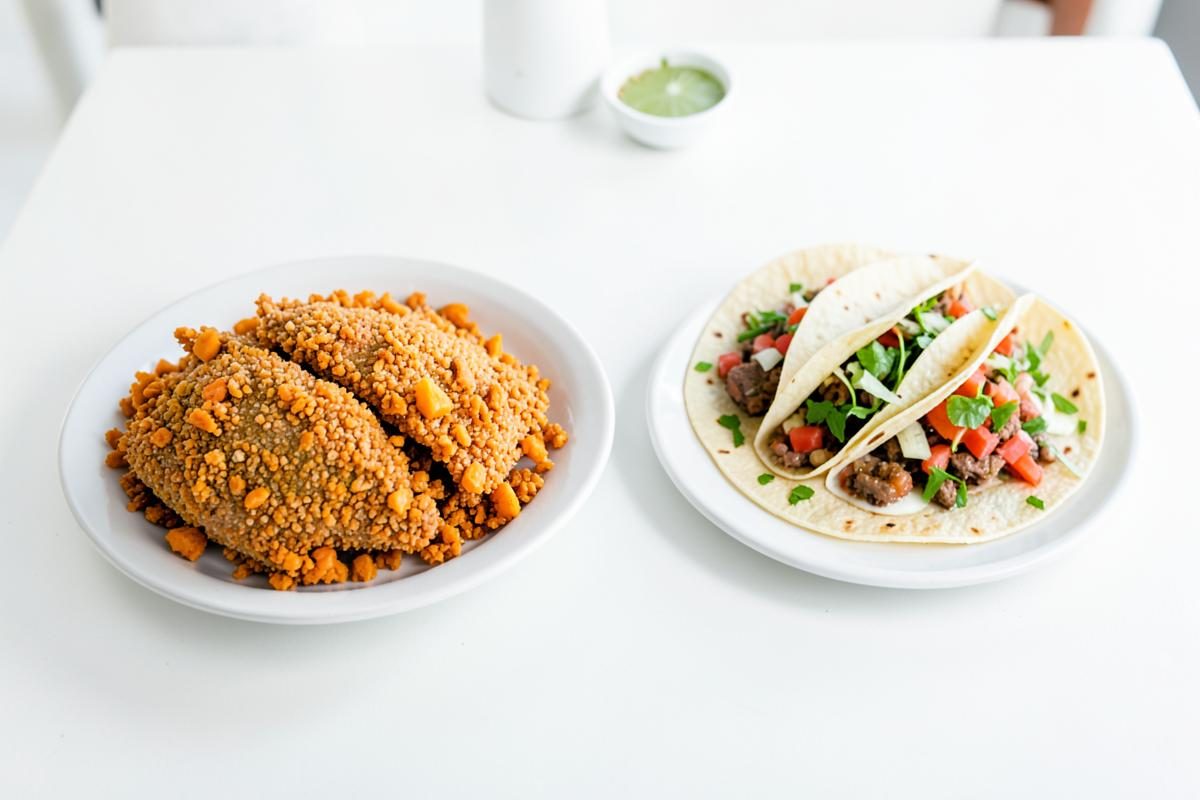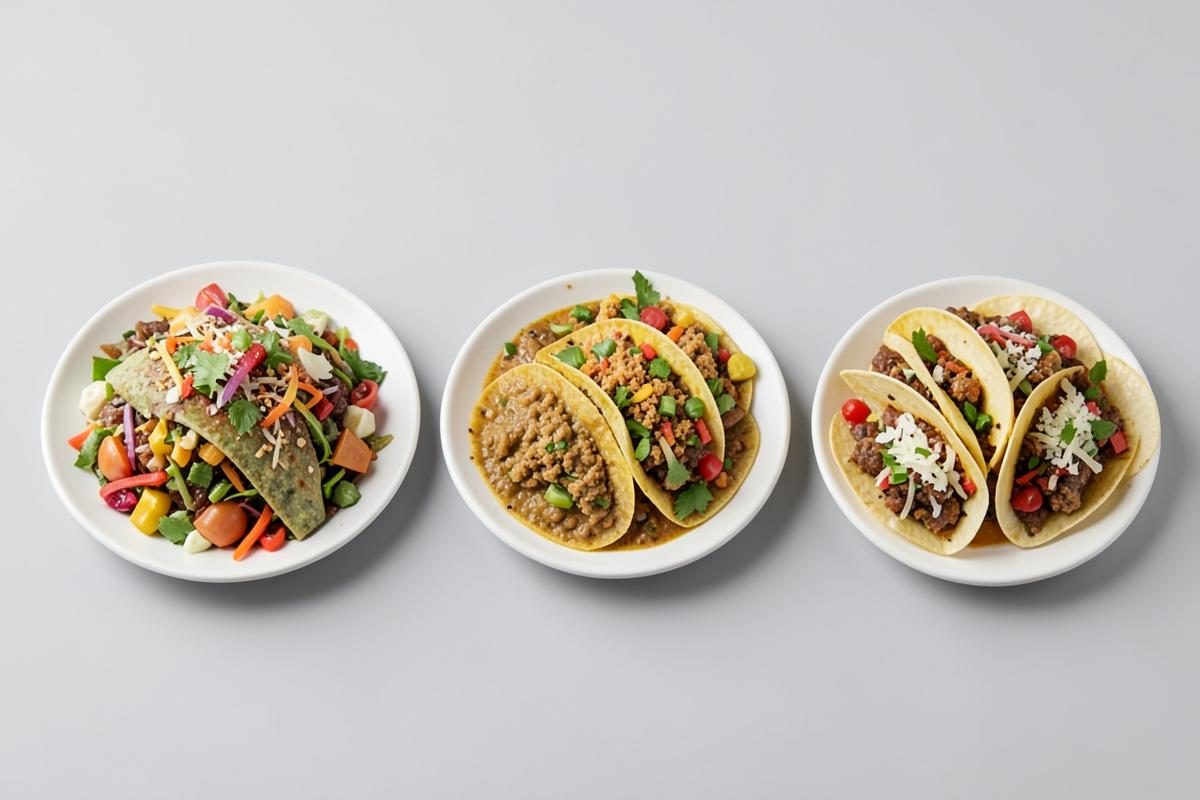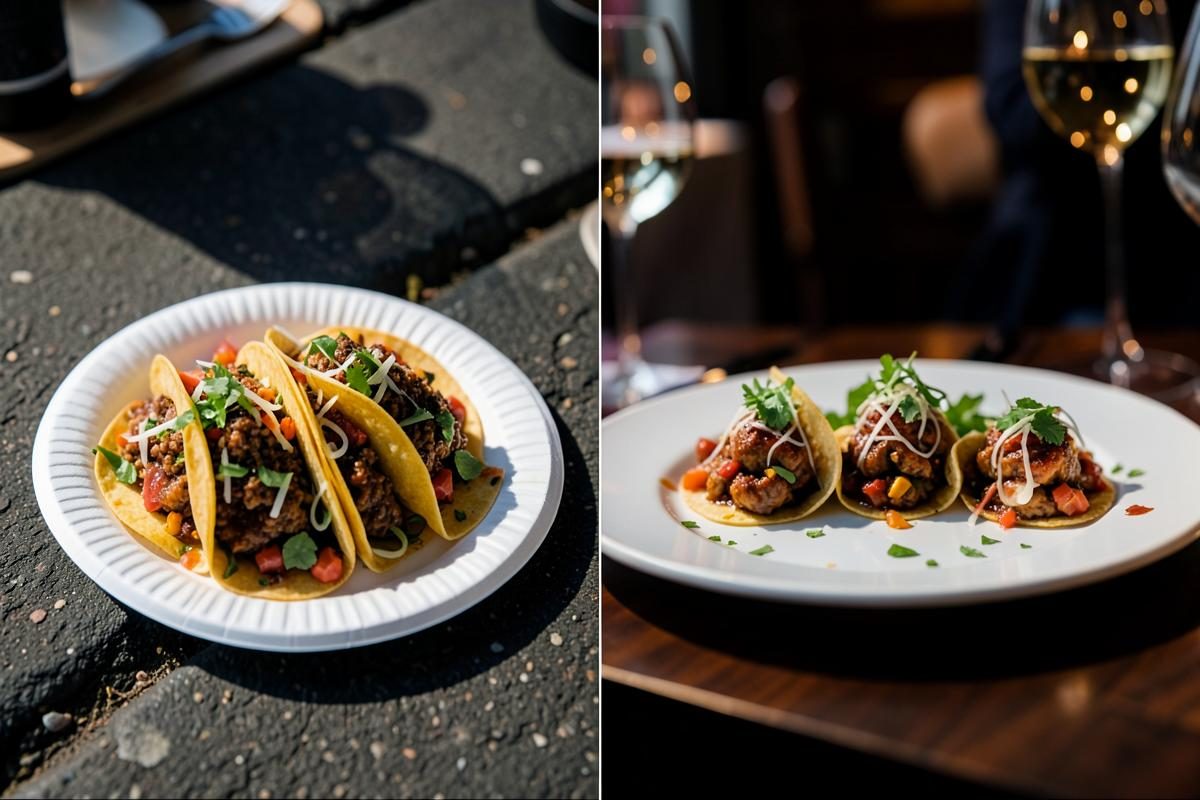
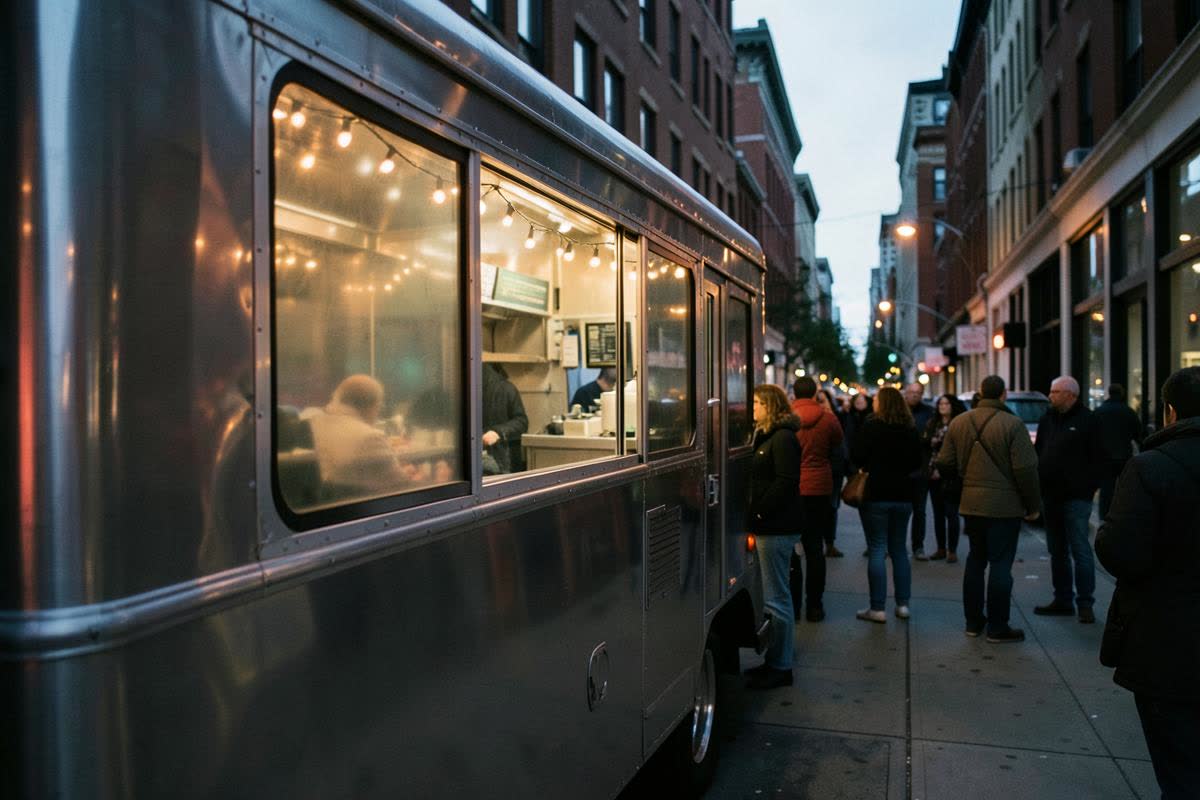
People argue about trucks versus restaurants as though one has to win. They are different machines built for different jobs, and the best of each does something the other cannot.
What a truck does better
- Focus: limited menu, high volume, meat that never sits.
- Heat: the grill is inches from the customer, so tacos arrive seconds after cooking.
- Location: a truck moves to where hungry people are, at hours restaurants will not keep.
- Price: lower overhead usually means cheaper tacos.
What a taqueria does better
- Slow dishes: birria, barbacoa, and cochinita need hours of controlled heat and space.
- Range: salsas made daily, sides, aguas frescas, breakfast service.
- Consistency: stable staff and equipment mean fewer off days.
- Comfort: seating, restrooms, and a place to sit with family.
How to judge either one
The tests are the same: is the tortilla fresh and warmed to order, is the meat cooked in visible batches rather than held all day, are there at least two salsas made in house, and is there a line of regulars. Cleanliness matters equally in both formats, and health scores are public for both.
Red flags
Precooked meat sitting in a steam pan for hours. Tortillas straight from the bag. A menu with forty items and one cook. Salsa in squeeze bottles that tastes like the supermarket.
The honest answer
Order grilled meats at trucks and stewed meats at taquerias, and you will eat better at both. The format is not the quality signal; the volume, the turnover, and the care are.
Use our directory to find both near you, and leave a review so other taco hunters know what you found.