Mexico does not have one taco. It has dozens of regional traditions, each shaped by climate, livestock and history. Here is a practical tour of the major styles and what defines each one.
Mexico City and central Mexico
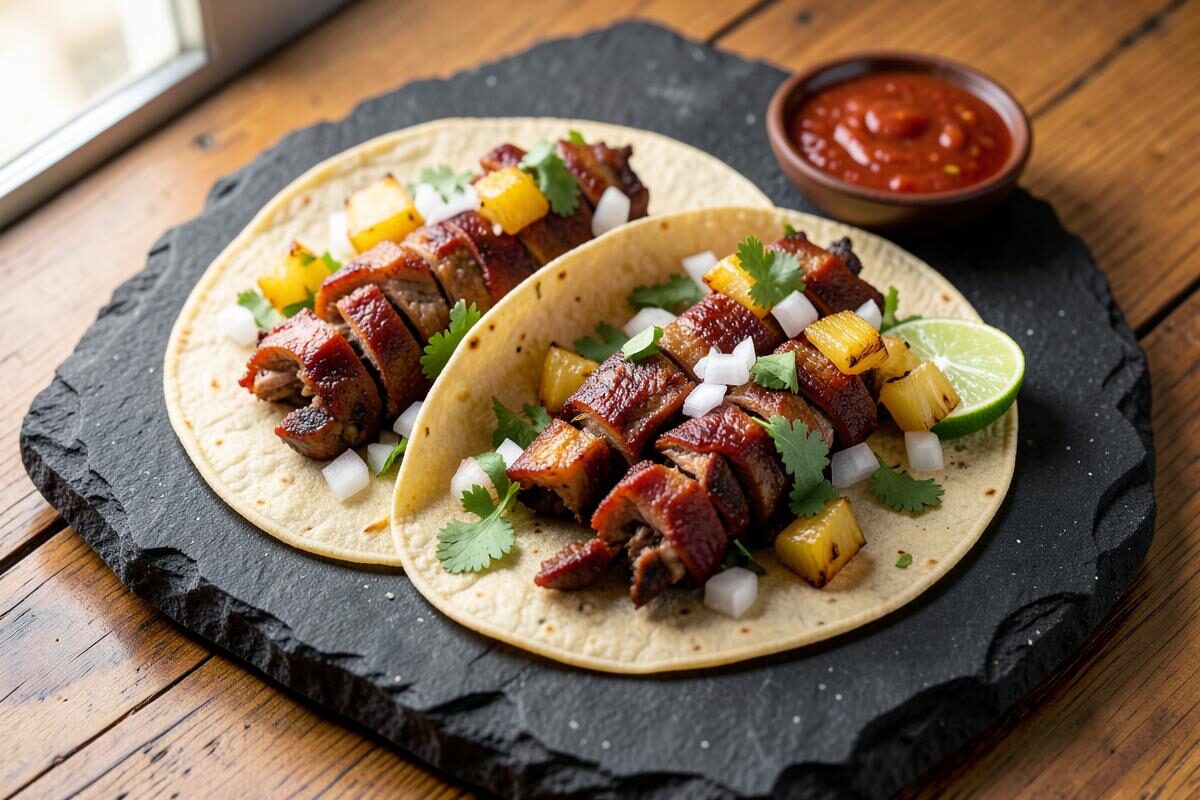
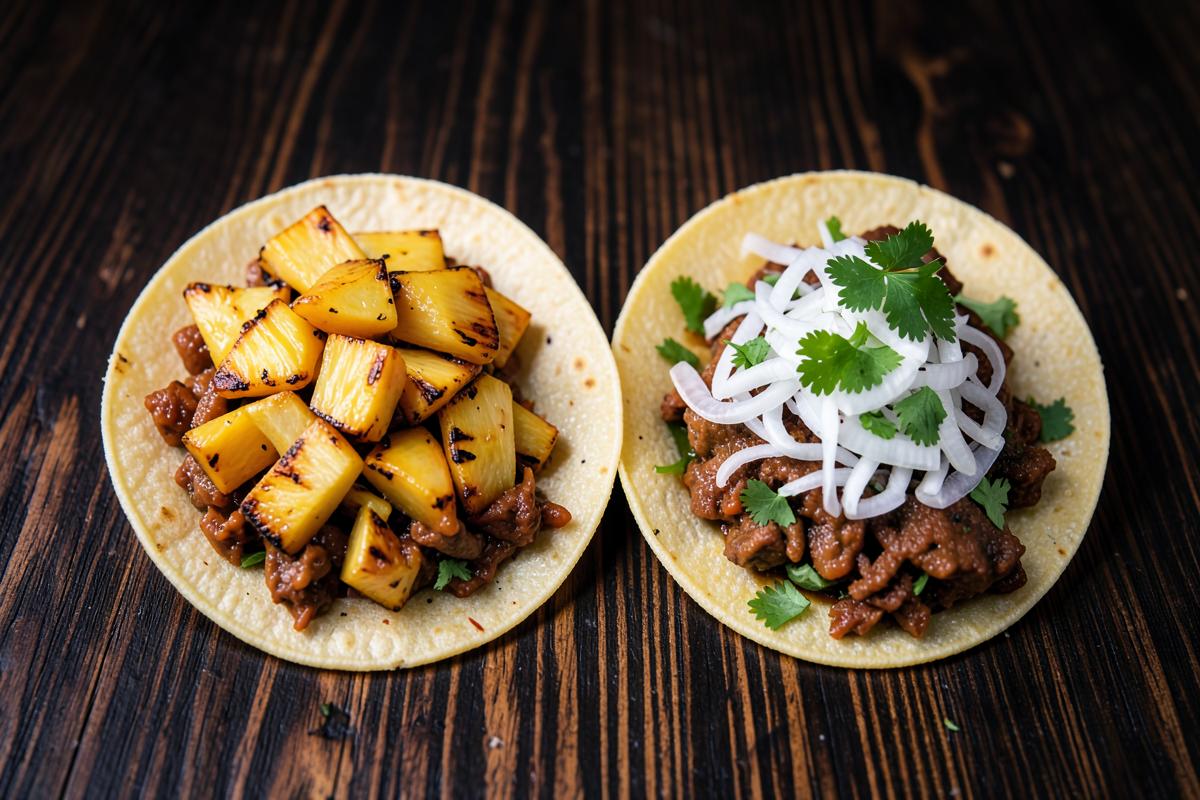
- Al pastor: chile-marinated pork shaved from a vertical trompo, with pineapple, onion and cilantro.
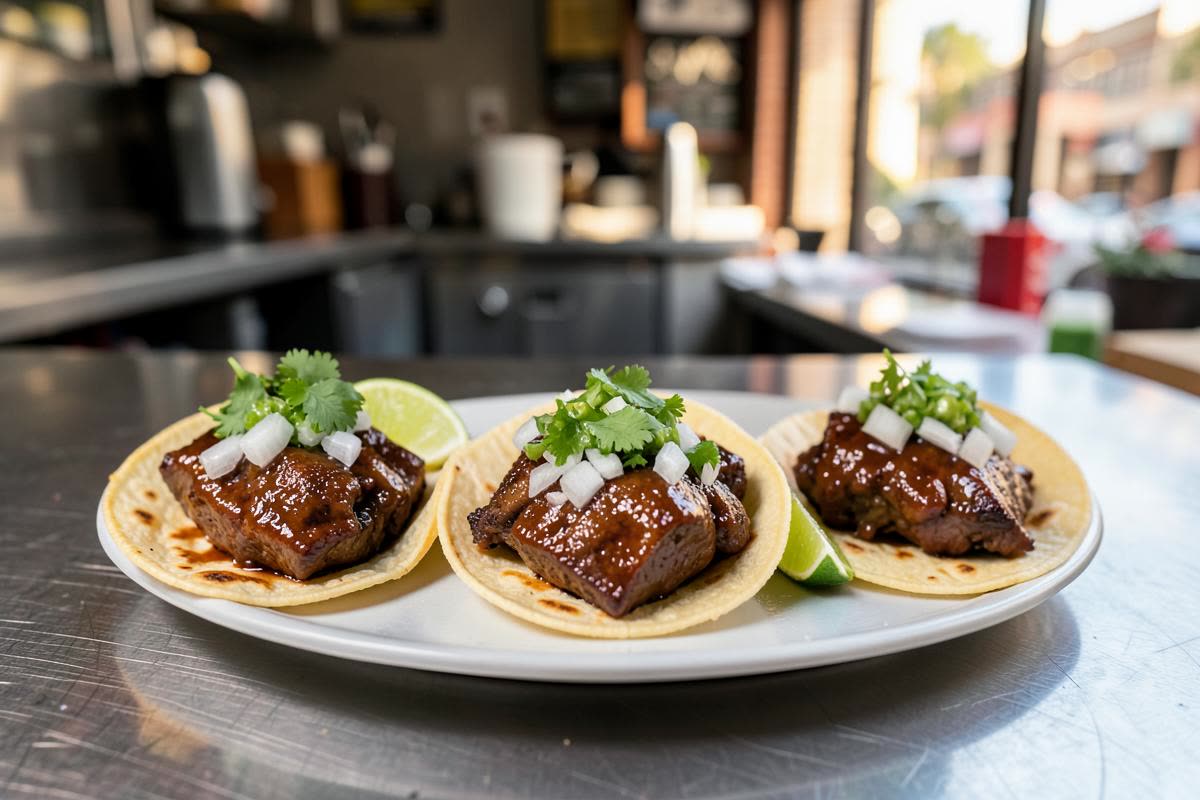
- Suadero: beef cut between belly and leg, confited in fat until silky, then crisped.
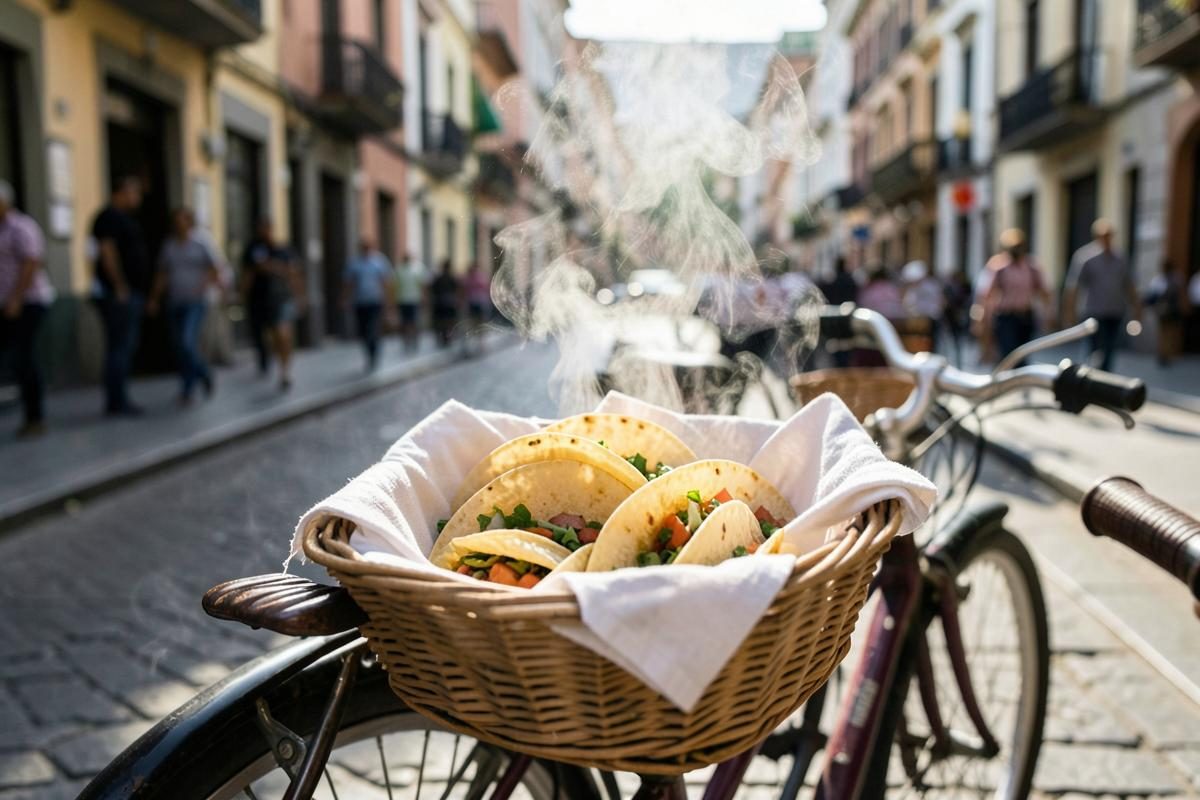
- Canasta: steamed basket tacos filled with potato, beans or chicharrón, sold from bicycles in the morning.
- Carnitas: pork simmered in lard until tender, with crisp edges. Michoacán is its heartland.
- Barbacoa: pit-cooked lamb or goat, a weekend tradition.
Northern Mexico
- Carne asada: grilled beef over mesquite, usually on flour tortillas in Sonora and Chihuahua.
- Cabeza, lengua and cachete: steamed head meats, tender and rich.
- Tacos de tripa: beef tripe crisped on the griddle.
Baja California
- Fish tacos: battered and fried white fish with cabbage, crema and salsa.
- Shrimp and lobster tacos: Puerto Nuevo made the lobster version famous.
Yucatan and the southeast
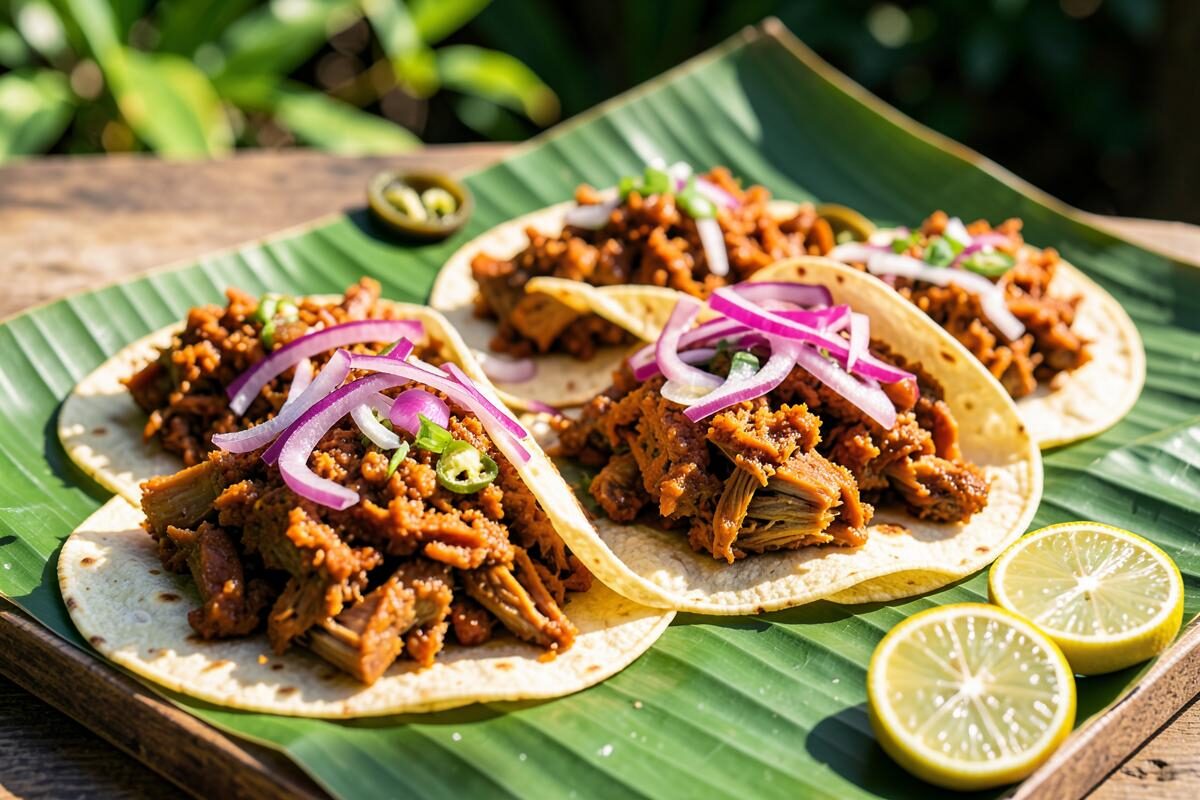
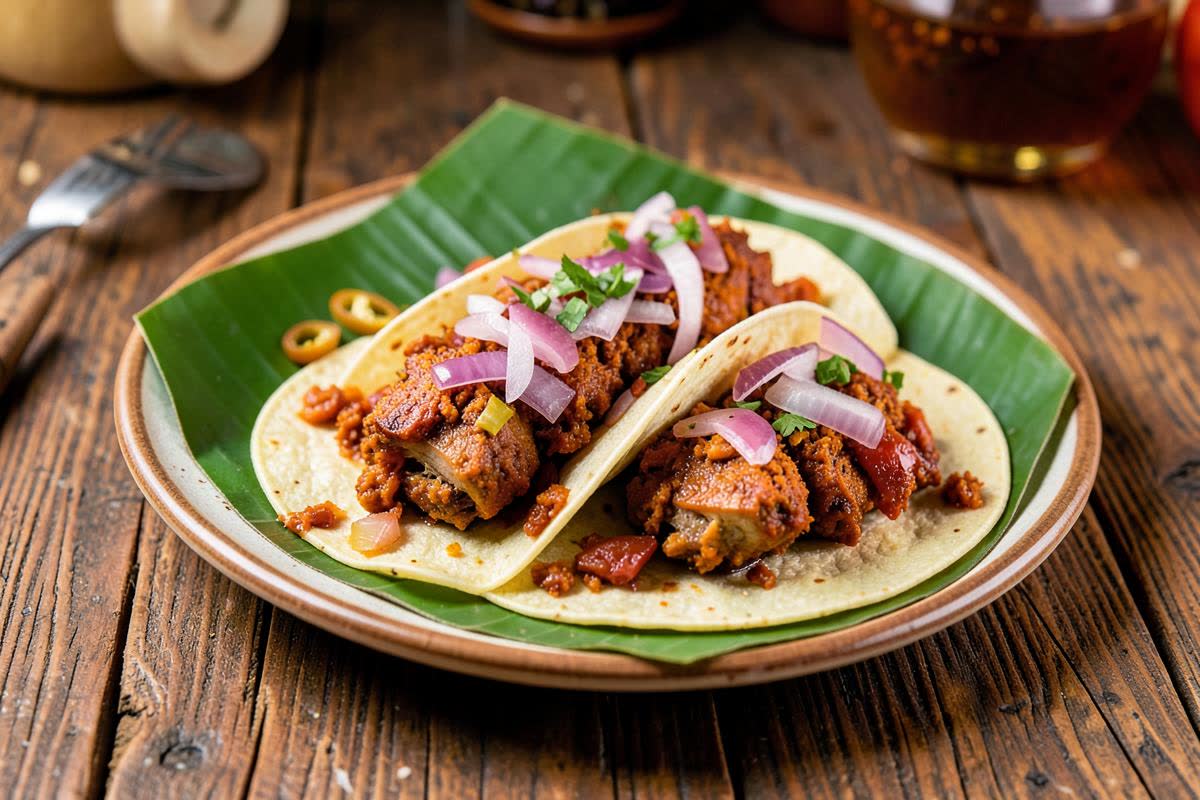
- Cochinita pibil: achiote and sour orange pork, wrapped in banana leaf and pit-cooked, served with pickled red onion and habanero.
- Tacos de relleno negro: turkey with a burnt chile paste, dark and unusual.
Jalisco and the west
- Birria: chile-stewed goat or beef with consomé.
- Tacos dorados: rolled, fried and topped with cream, cheese and lettuce.
Puebla
- Tacos árabes: the Lebanese ancestor of al pastor, spit-roasted pork on pan árabe with a chipotle salsa.
Coastal Sinaloa
- Tacos gobernador: shrimp, cheese and peppers griddled inside a tortilla.
How to use this guide
When you visit a new taquería, look for the regional signal on the menu: a trompo means pastor, a steam pot means cabeza and lengua, a fryer usually means Baja seafood or dorados. Ordering the style the kitchen is set up for is almost always the right call.