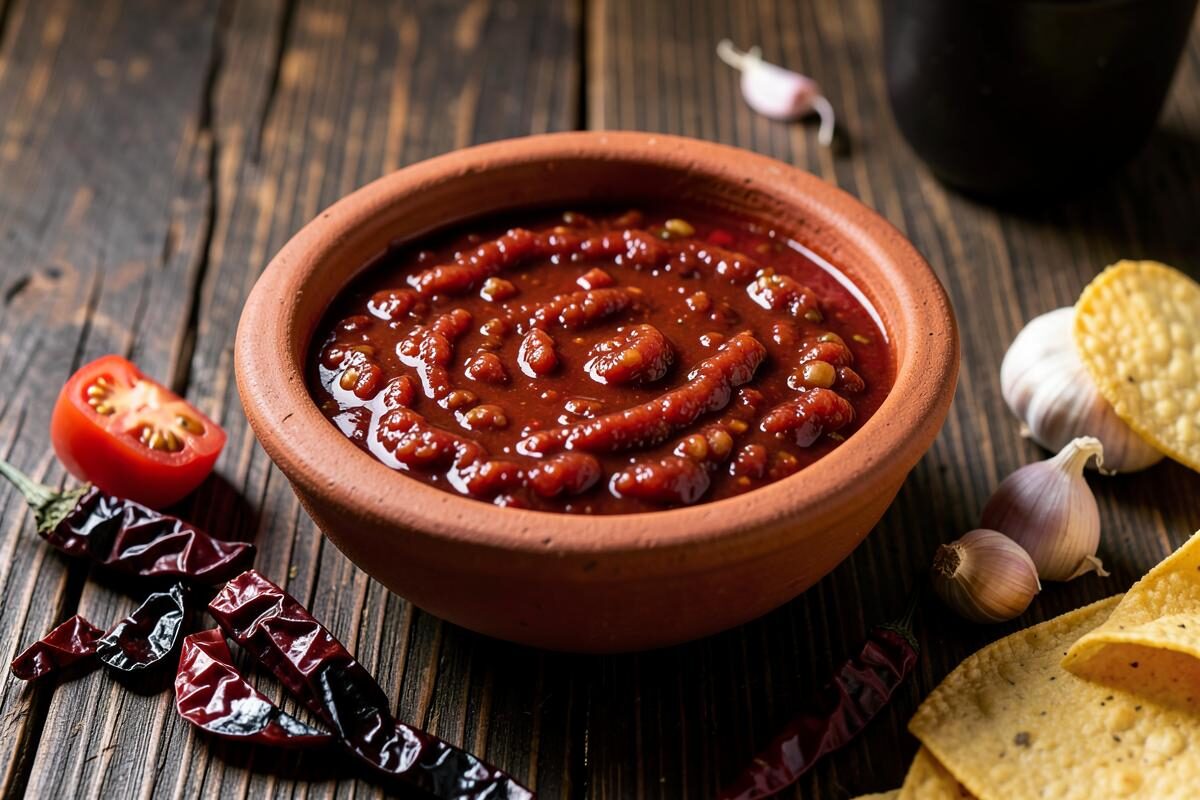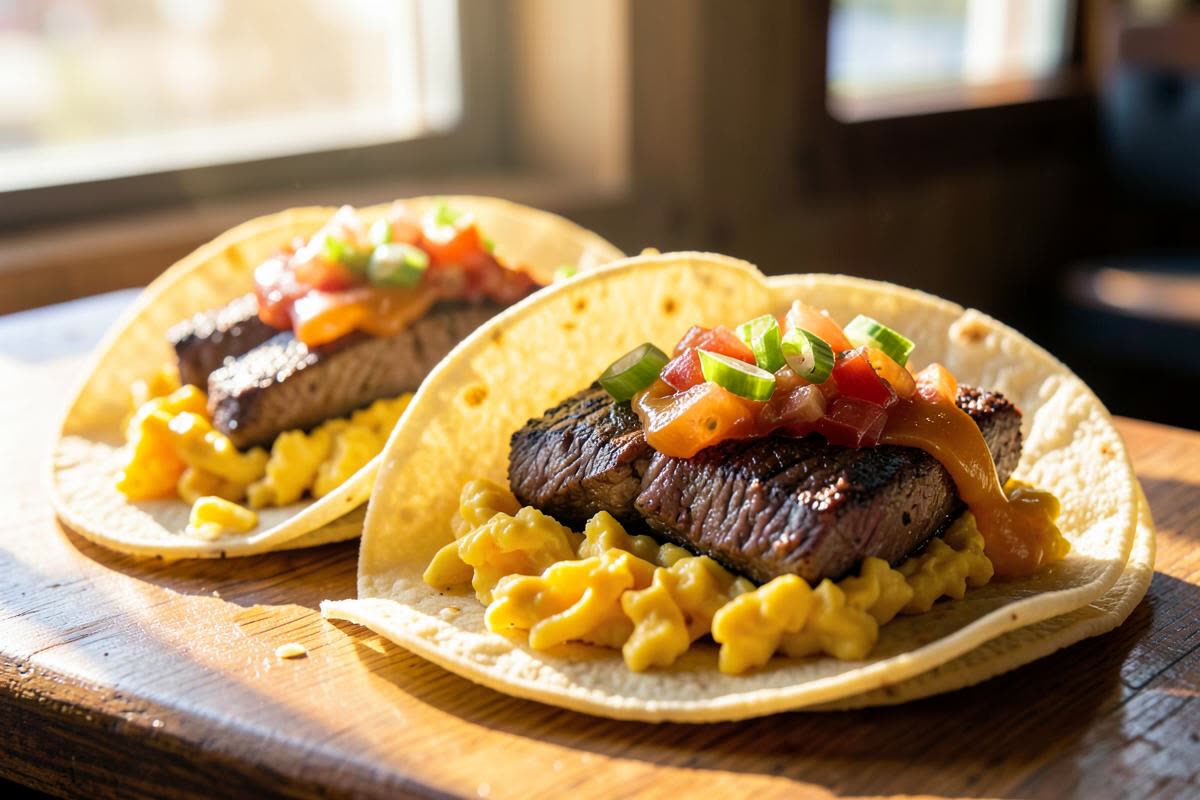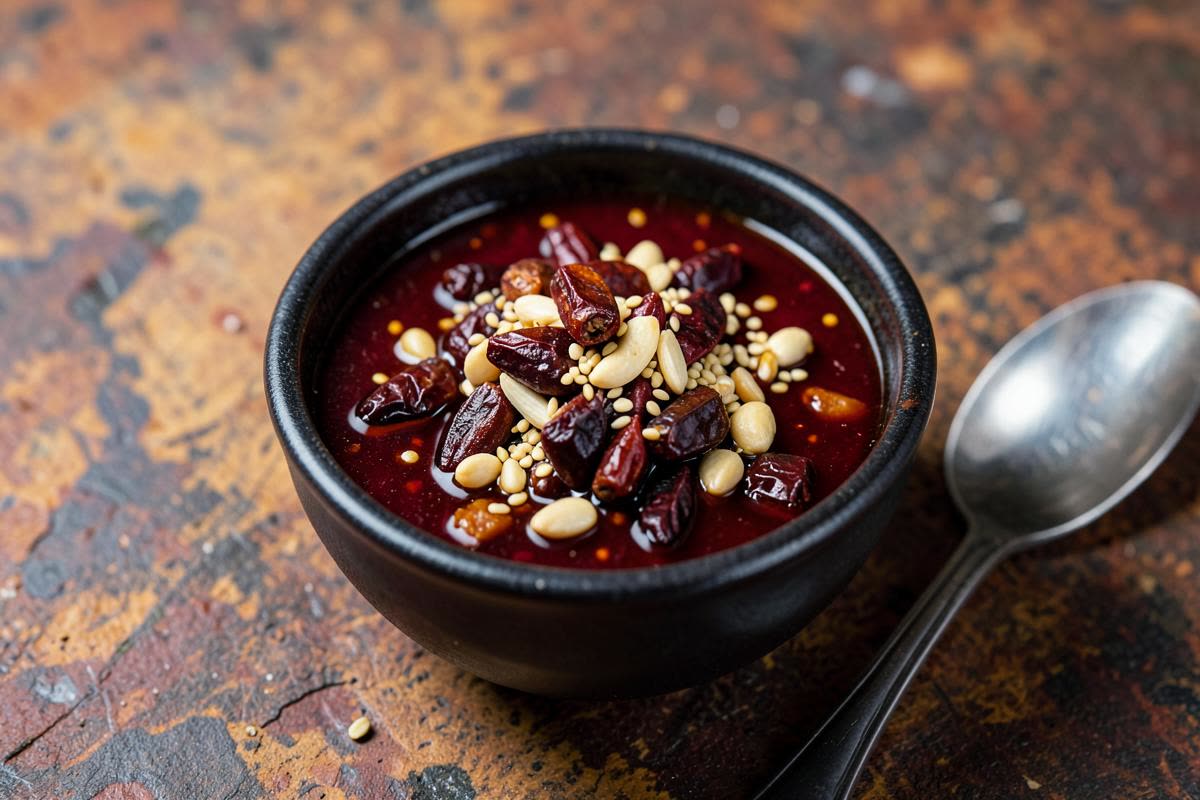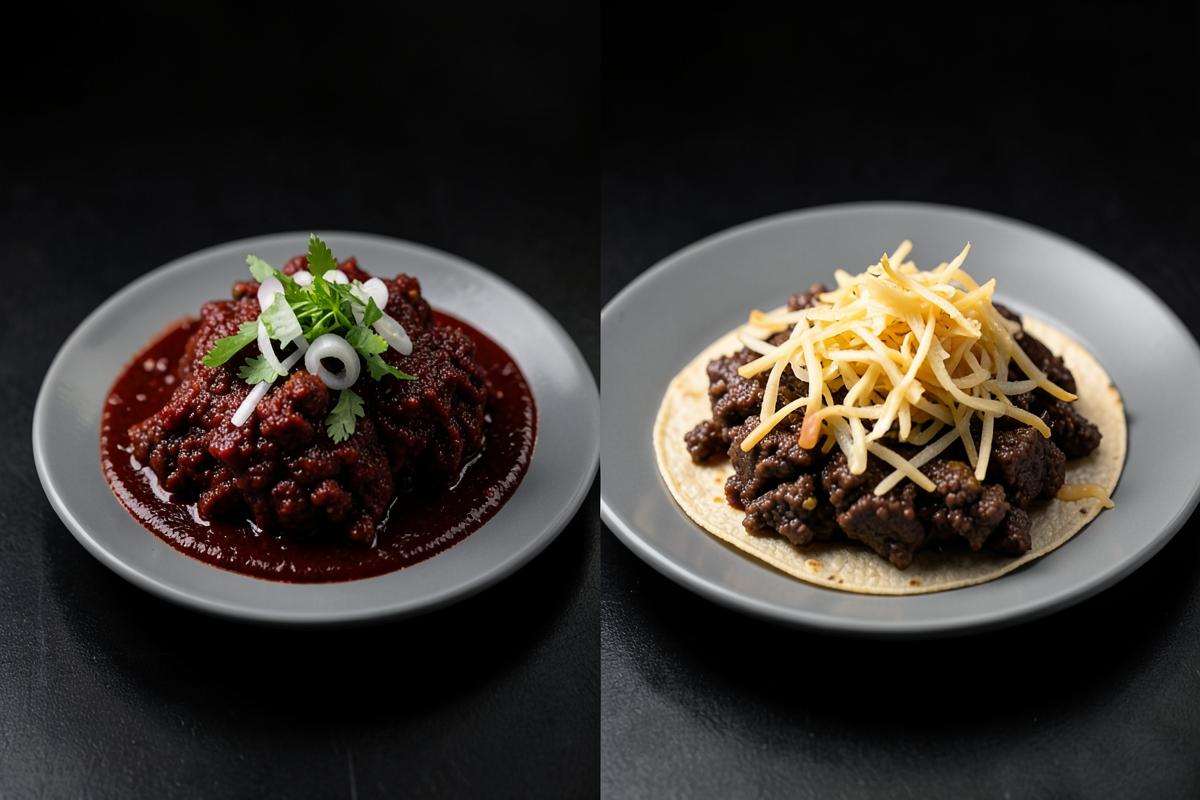
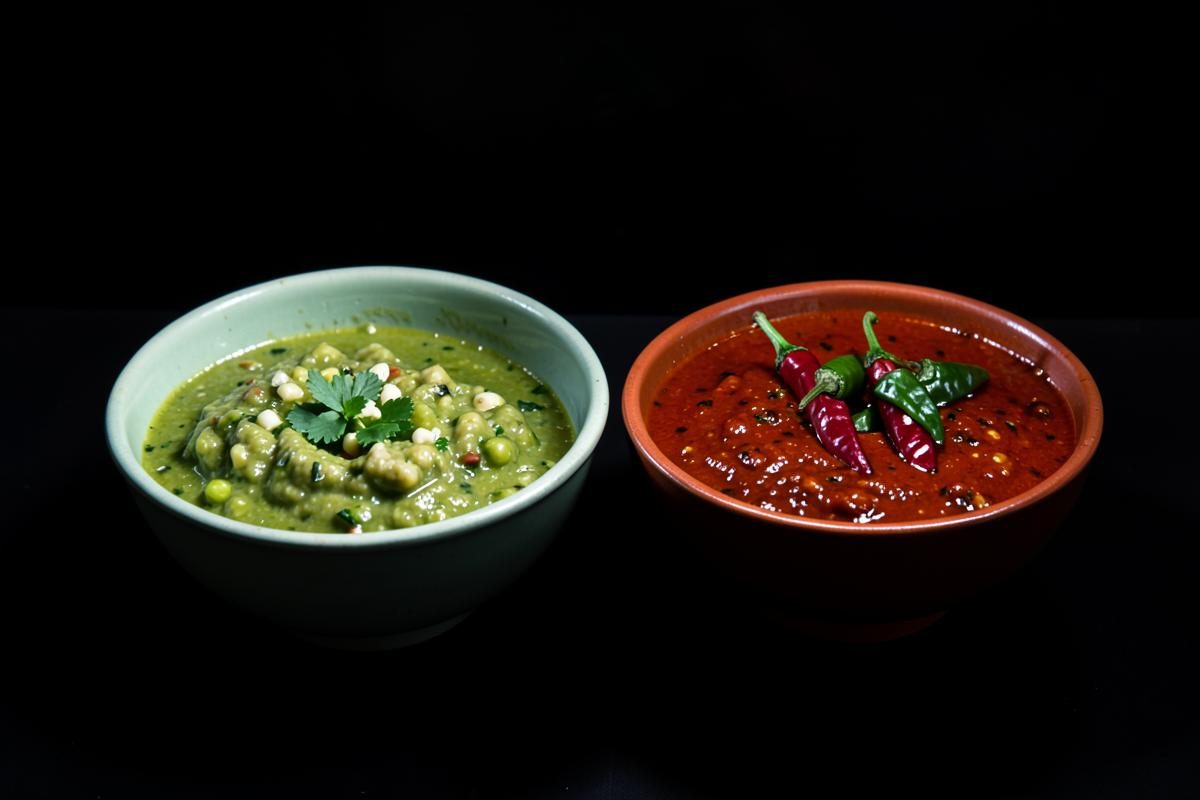
The mild versus spicy argument usually misses the point. Heat is not a measure of quality; it is one flavor tool among several. The right question is which salsa serves the taco in front of you.
What heat actually does
Capsaicin creates a sensation, not a taste. What it does well is cut through fat, extend the finish of a bite, and make you eat more slowly. What it cannot do is add depth. A blazing salsa with no chile flavor behind it is just pain.
The case for mild salsas
- Fruity guajillo and ancho flavors come through clearly.
- Everyone at the table can eat them.
- They pair better with delicate fillings like fish, shrimp and vegetables.
- You can use enough to actually sauce the taco.
The case for spicy salsas
- Fatty fillings like carnitas, suadero and chorizo need the contrast.
- Chile de árbol and habanero bring aromas mild chiles do not have.
- A small amount changes the whole taco, which is efficient seasoning.
Matching heat to filling
- Fish and shrimp: mild to medium, ideally chipotle crema or avocado salsa.
- Chicken: medium salsa verde.
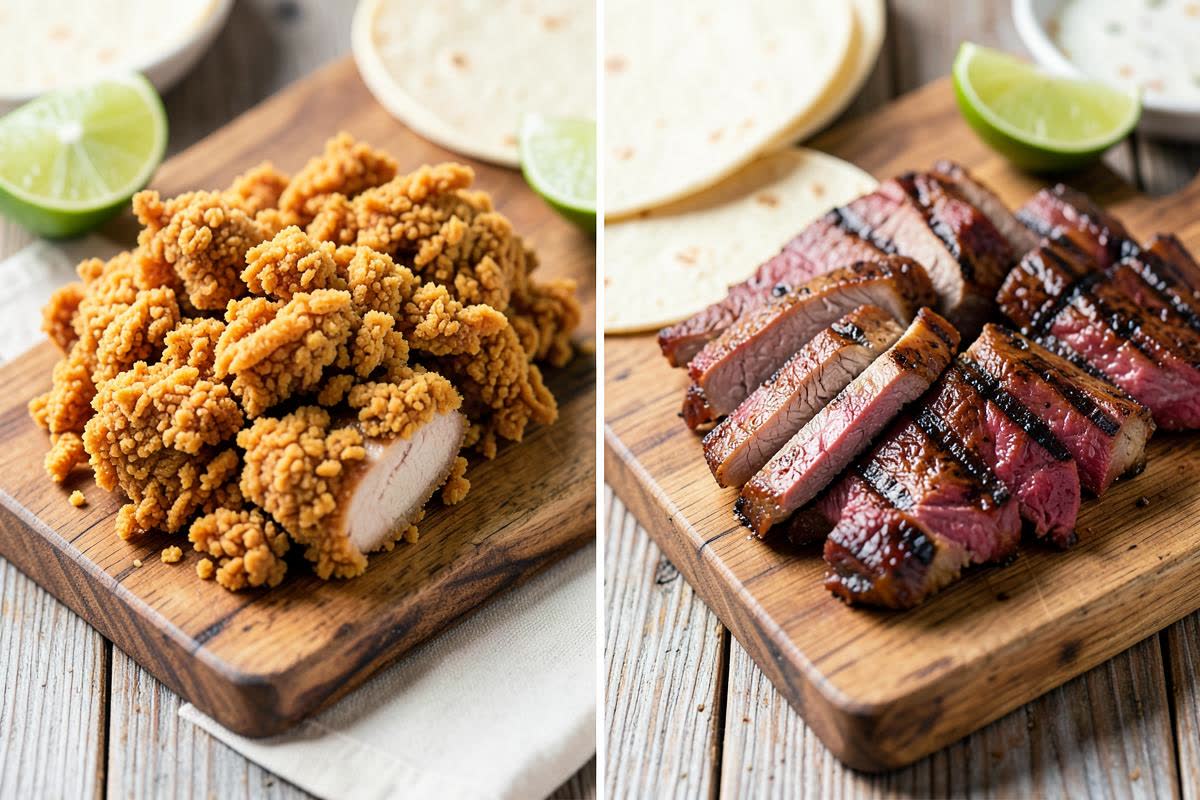
- Carne asada: medium red, or pico de gallo plus a dash of árbol.
- Carnitas and suadero: hot. Fat needs heat and acid.
- Cochinita pibil: habanero, traditionally, with pickled onion.
- Vegetables and beans: salsa macha for depth over raw heat.
How to build heat tolerance
Eat chile with fat and starch, not on its own. Dairy and lime both blunt capsaicin. Work up gradually; tolerance is real and builds in weeks.
Serving both
Any good table has at least two salsas at different heat levels, plus lime. Label them, because guessing ruins a meal for someone.
The verdict
Neither reigns. Mild salsas win on flavor clarity, hot salsas win on contrast, and the best taquerías make both well. Judge a salsa by whether you can taste the chile, not by whether it hurts.