Ten years ago birria was hard to find outside Mexican households and a handful of specialty restaurants. Today it is on menus in every major American city. Here is how that happened.
Jalisco origins
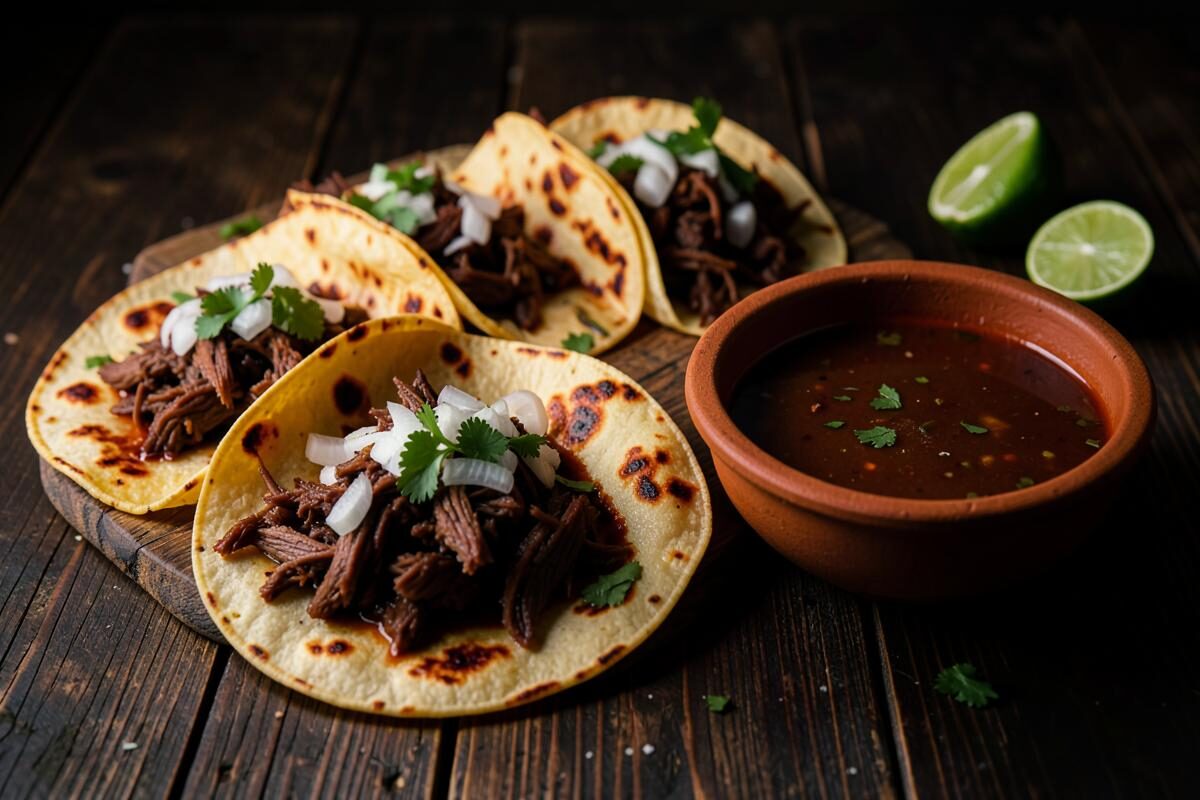
Birria began as a goat stew in Jalisco, cooked in a chile adobo and traditionally served in a bowl with tortillas alongside. It was celebration food: weddings, baptisms, Sunday mornings. Goat was plentiful, tough, and perfectly suited to long braising.
The Tijuana turn
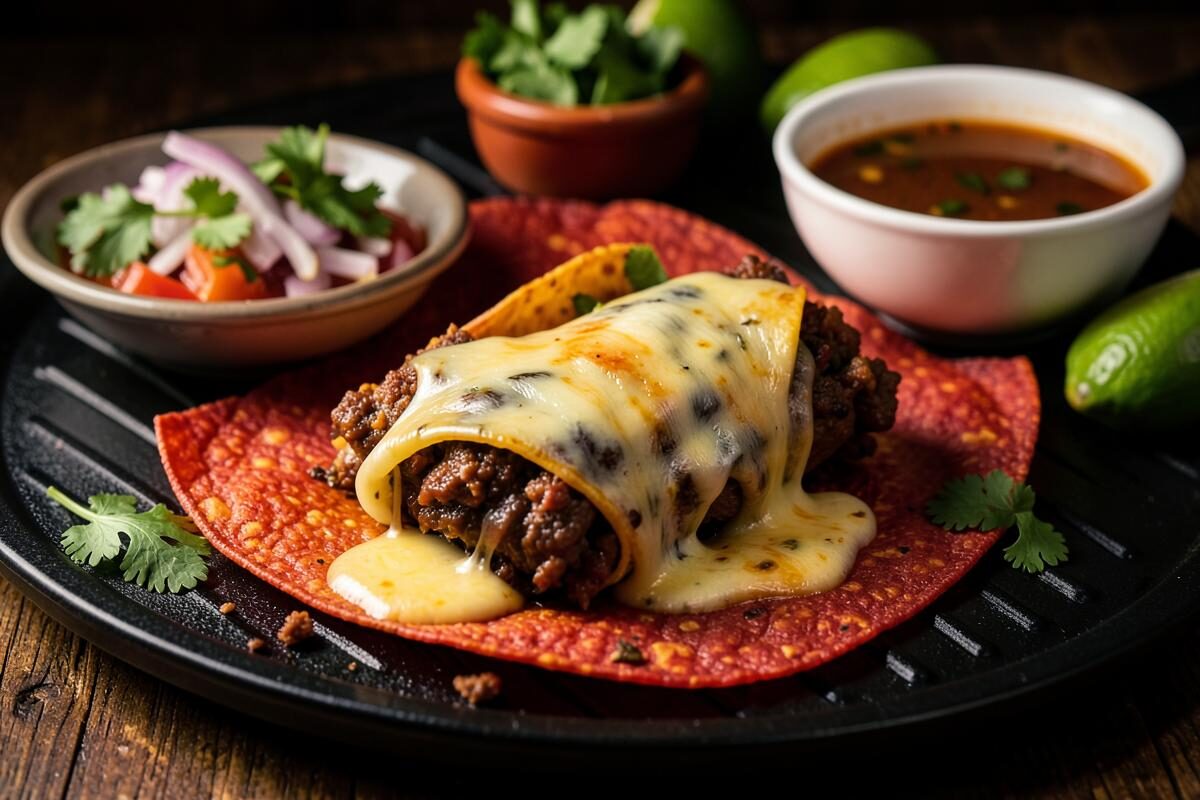
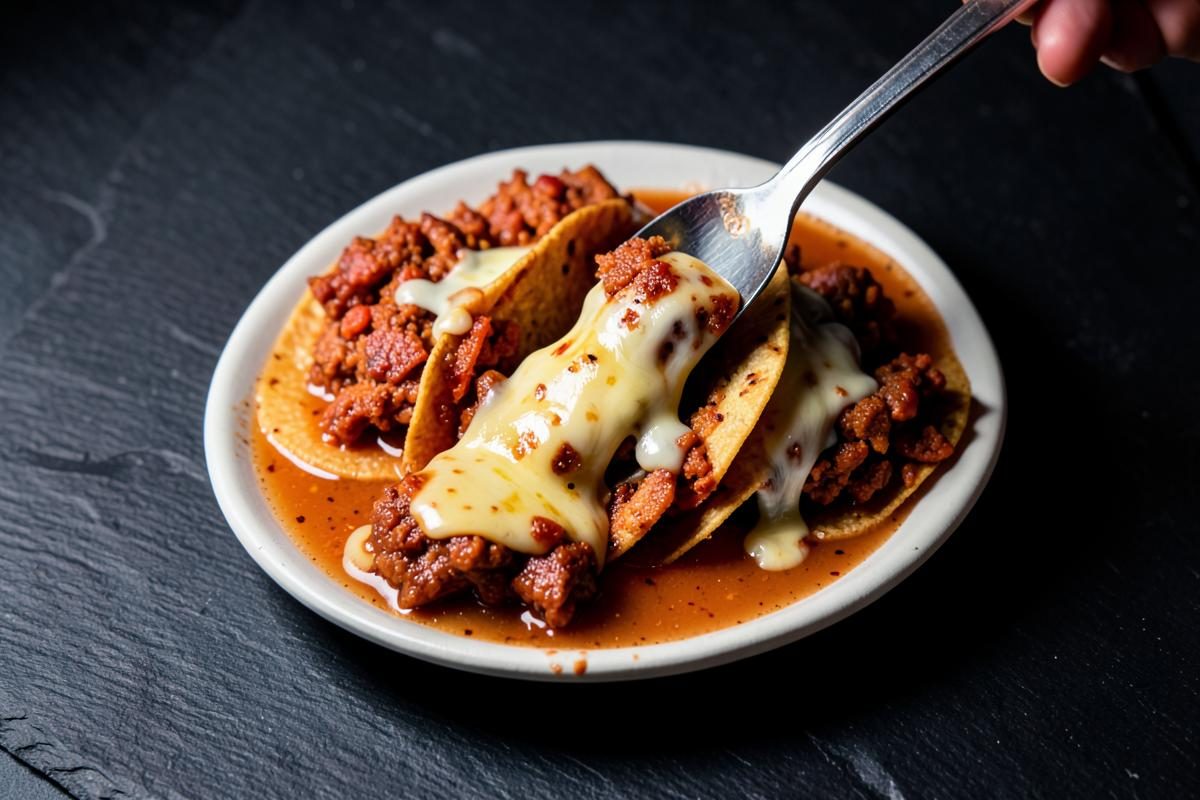
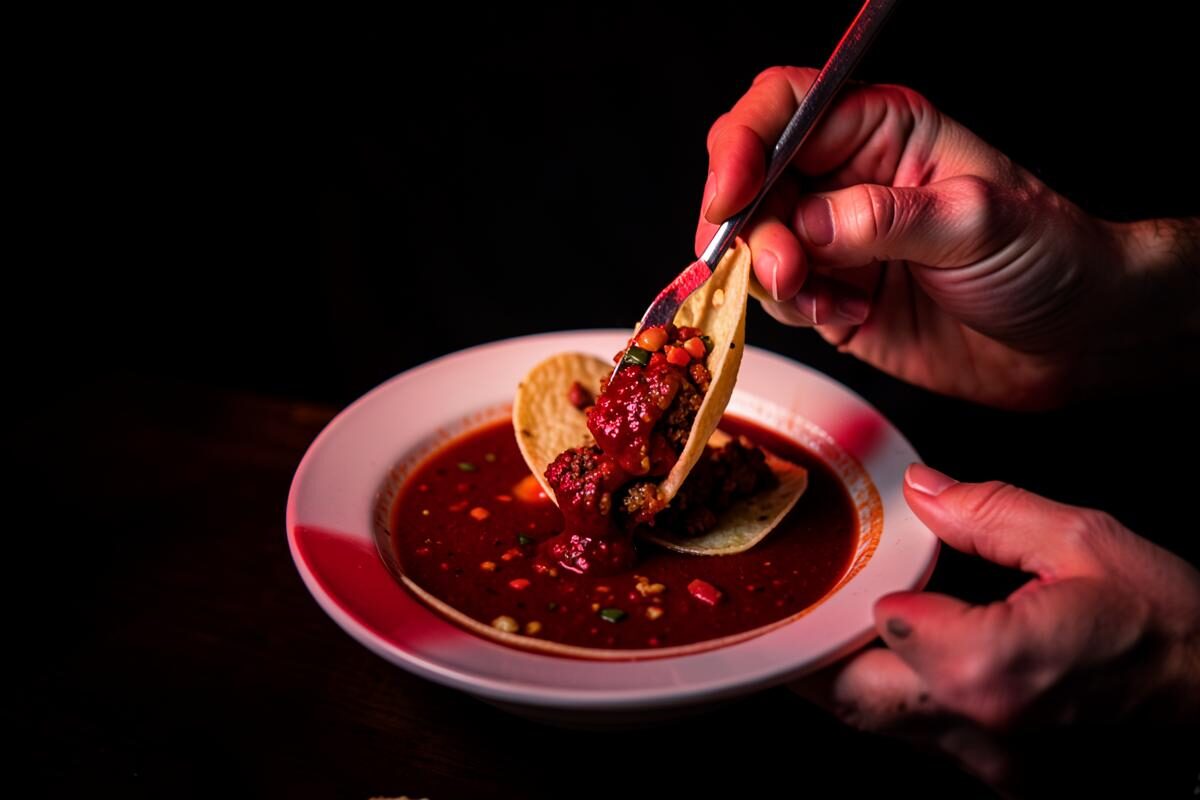
In northern Mexico and along the border, beef replaced goat and the format changed. Cooks began dipping tortillas in the red fat that rose off the broth, griddling them with meat and cheese, and serving the broth on the side for dipping. Quesabirria was born, and Tijuana became its capital.
Los Angeles and the camera
Around 2018 birria crossed into Los Angeles food trucks at exactly the moment short-form food video took off. The dish is unusually photogenic: the red dip, the cheese pull, the steam. Videos spread faster than the recipe, and demand arrived in cities where no one had cooked it before.
What scaled, what got lost
- Gained: access. Millions of people tried a regional dish they never would have encountered.
- Lost: goat, in most cases, along with the bowl-of-stew format that came first.
- Changed: cheese, rarely traditional in Jalisco birria, became near-mandatory in the American version.
Is the trend version worse?
Not necessarily, but it is a different dish. Quesabirria is a genuine border invention with its own lineage, not a corruption. Both deserve to exist, and both reward a cook who takes the braise seriously.
Our birria recipe covers the traditional braise and our consomme guide handles the dipping broth.